

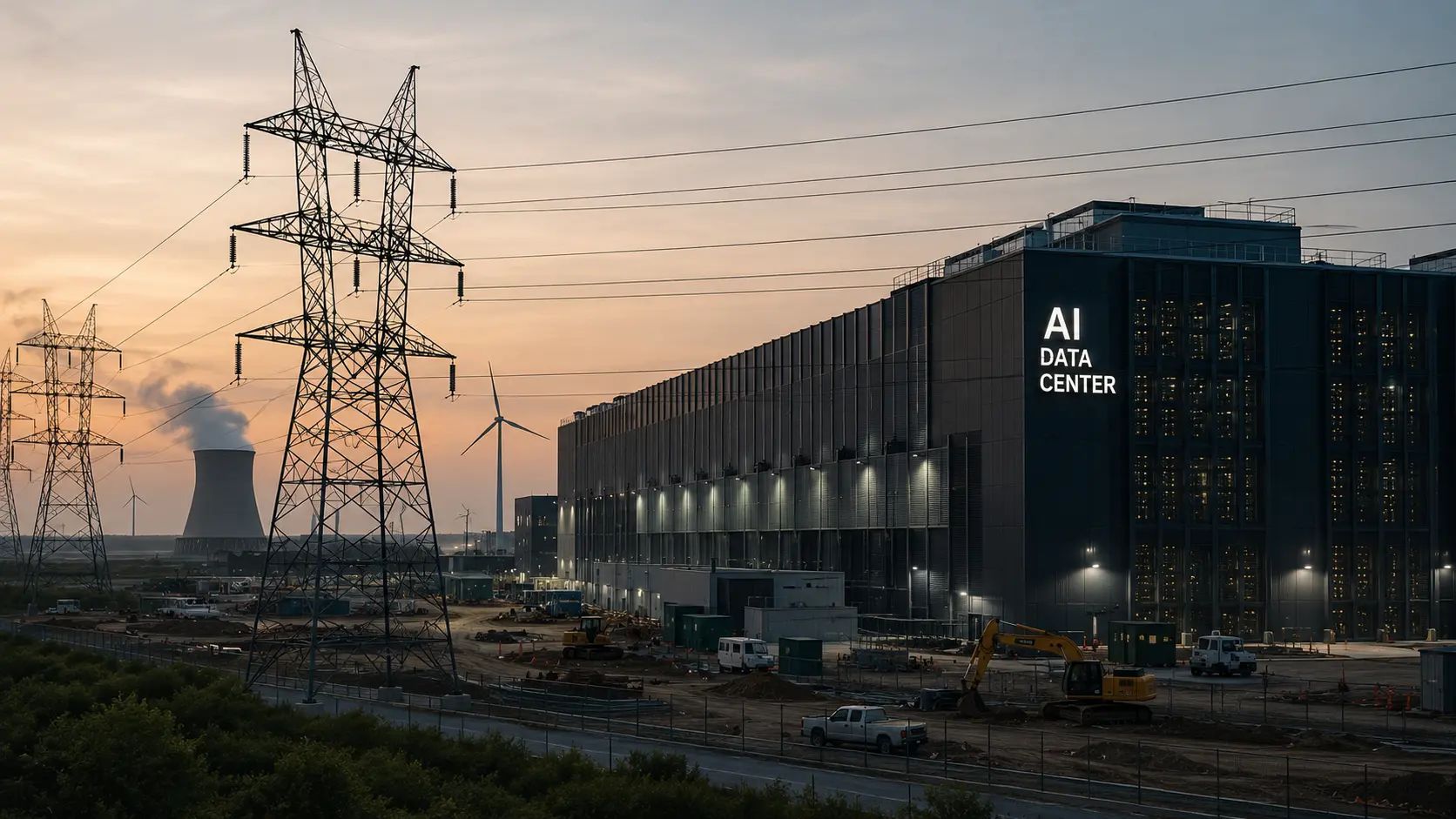
It's pretty wild how much AI is woven into everything these days, right? From crafting content to crunching numbers and even running things on autopilot, our global economy is practically run by these digital minds. This massive change is definitely making us more productive, pushing out work at speeds and efficiencies we'd barely dreamed of just a few years ago. But here's where it gets a little sticky: as we hand over more and more of our thinking, our analysis, and even just the daily grunt work to these automated systems, there's this quiet problem creeping up on us. We've jumped headfirst into building out this massive, incredibly expensive infrastructure, but have we really thought through all the weak spots, the global supply chains we're now tied to, and the sheer amount of resources this whole thing is going to gobble up just to keep it all running?
Remember when AI was just about making specific digital tasks go faster? It was designed to crunch algorithms in ways humans just couldn't match. But things have really changed. We've moved way past those early, simpler AI models, like the ones that just chatted with you. Now we're talking about seriously advanced "Agentic AI" systems, and the way they operate is completely different, demanding a whole new level of infrastructure. These aren't AI systems that just sit there waiting for you to ask something. Nope, they're buzzing away constantly in the background. They're independently digging through databases, following multi-step business processes, juggling interactions between different software systems, and tweaking how things work on the fly. This constant, non-stop operation has led to an explosion in the need for computing power. It's sparked this frantic race, with big tech companies, investment firms, and even countries all scrambling to get their hands on the physical infrastructure needed to support it all.
Autonomous AI Evolution and the Hyperscale Strain
It's fascinating to think about how AI is changing things, not just in the code we write, but in the very ground we build on. We used to talk about cloud computing like it was this flexible thing, right? Servers would get busy during the day, then take a breather at night. You know, a bit of a boom and bust cycle. But now, with what they're calling Agentic AI, that whole model is out the window. These new systems aren't just sitting around waiting for commands. They're constantly watching data, running these complex simulations in the background, and even managing things like financial portfolios, all on their own.
Imagine that. It's not a situation where things go quiet when everyone goes home. Instead, there's this steady hum, this baseline of activity that never really stops. That means the data centers, these places that used to have peaks and valleys in their power usage, are now running at pretty much full tilt, all the time. It's a fundamentally different kind of demand. This sustained, high-level operation is forcing a massive rethink of what enterprise infrastructure even looks like. Companies that were once just focused on writing clever code are suddenly finding themselves in the construction business, and on a scale that's frankly pretty wild.
To keep these multi-agent systems running smoothly, without any frustrating delays, and to handle the sheer volume of data they churn through in real-time, the big players, the hyperscalers, are pouring money into physical resources like never before. We're talking about infrastructure projects that dwarf anything seen in corporate history. The actual physical space these data centers take up has exploded. What used to be a facility using a few megawatts of power has ballooned into these enormous industrial complexes, some covering hundreds of acres and requiring gigawatts. It's a physical transformation driven by a digital need.
It feels like the biggest hurdle for AI development in the next decade isn't going to be about finding new algorithms or writing more sophisticated software. Instead, it's becoming a challenge of the physical world. Think about it: the real estate to build these massive structures, the massive electrical transformers needed to power them, the complex network of pipes and cooling systems, and crucially, the access to stable, high-capacity power grids. These are the new frontiers.
As these colossal facilities pop up all over the place, they're having a ripple effect on the local economies. Land that was once used for farms or small factories is being snapped up by tech companies, often at prices that locals might find astonishing. This rapid build-out inevitably causes some tension with the local towns and cities. These huge, often windowless buildings don't necessarily create a huge number of jobs compared to their size, and they can put a real strain on local power and water systems. The demand for energy from these data centers can completely change the energy picture for an entire region. The urgency to build these facilities, driven by the relentless pace of the digital world, is running up against the slower, more established planning cycles of traditional city infrastructure. It's a clash, really, between what the digital economy demands and what our physical world can realistically provide.
Powering the Beast: The Nuclear Renaissance and Grid Fragility
It's quite something, isn't it, the sheer amount of power these advanced AI systems gobble up? We're talking about a single training cluster, the kind with the latest hardware, needing more juice than a whole mid-sized city. Now, these big tech companies, they've made these serious promises about being carbon-neutral, right? And the usual green energy sources, like solar and wind, well, they just can't keep up with this explosive demand. So, what have they landed on? Something a bit more, shall we say, controversial: a full-on dive into nuclear energy.
By 2026, you're seeing this really unusual pairing – high-tech firms and old-school nuclear engineering. It's become the norm. These tech giants are signing these massive, never-before-seen power purchase deals. They're not just buying power; they're essentially bringing old, shut-down nuclear plants back to life or locking in exclusive rights to run existing ones. What this means is that all that clean, reliable nuclear energy, the kind that's always on, is being pulled away from the regular power lines that supply our towns and cities. Instead, it's being sent directly, exclusively, to these colossal data centers. Now, sure, this lets the tech companies tick their climate compliance boxes right now, but it leaves everyone else, the rest of us relying on municipal grids, in a pretty precarious spot.
Here's a quick rundown of what's happening with this corporate nuclear push:
First off, there are these "Hyperscale Micro-Reactor Deals." Basically, tech companies are throwing money at developing these Small Modular Reactors, or SMRs. The idea is to build their own private power sources, completely separate from the main grid, just to keep their internal data networks humming.
Then there's the "Baseload Depletion." When these big companies grab these huge chunks of reliable, clean energy, they're essentially hogging the steady power supply. This forces the local grids, the ones serving communities, to lean on older, dirtier fossil fuel plants, especially when everyone's trying to use a lot of electricity at once.
And you can't forget "Transformer Lead Times." The demand for heavy-duty electrical gear, especially the really big, high-voltage transformers, is so crazy right now that it's taking over three years just to get them. This is practically bringing traditional grid upgrades to a standstill.
This whole process of pulling the stable, clean power directly away from public use creates a really serious systemic risk for our everyday infrastructure. With all that reliable, zero-emission nuclear power going straight into running automated corporate systems, the public utility grids are left scrambling. They're stuck trying to meet our needs with aging natural gas plants or those weather-dependent solar and wind farms. This setup makes the grid way more unpredictable, driving up electricity bills for everyone and leaving us really vulnerable to blackouts, especially when the weather gets extreme. It feels like the cost of keeping these super-advanced AI systems running smoothly is increasingly being paid for by making our public power systems less stable.
The Silicon Bottleneck: Hardware Monopolies and Material Vulnerabilities
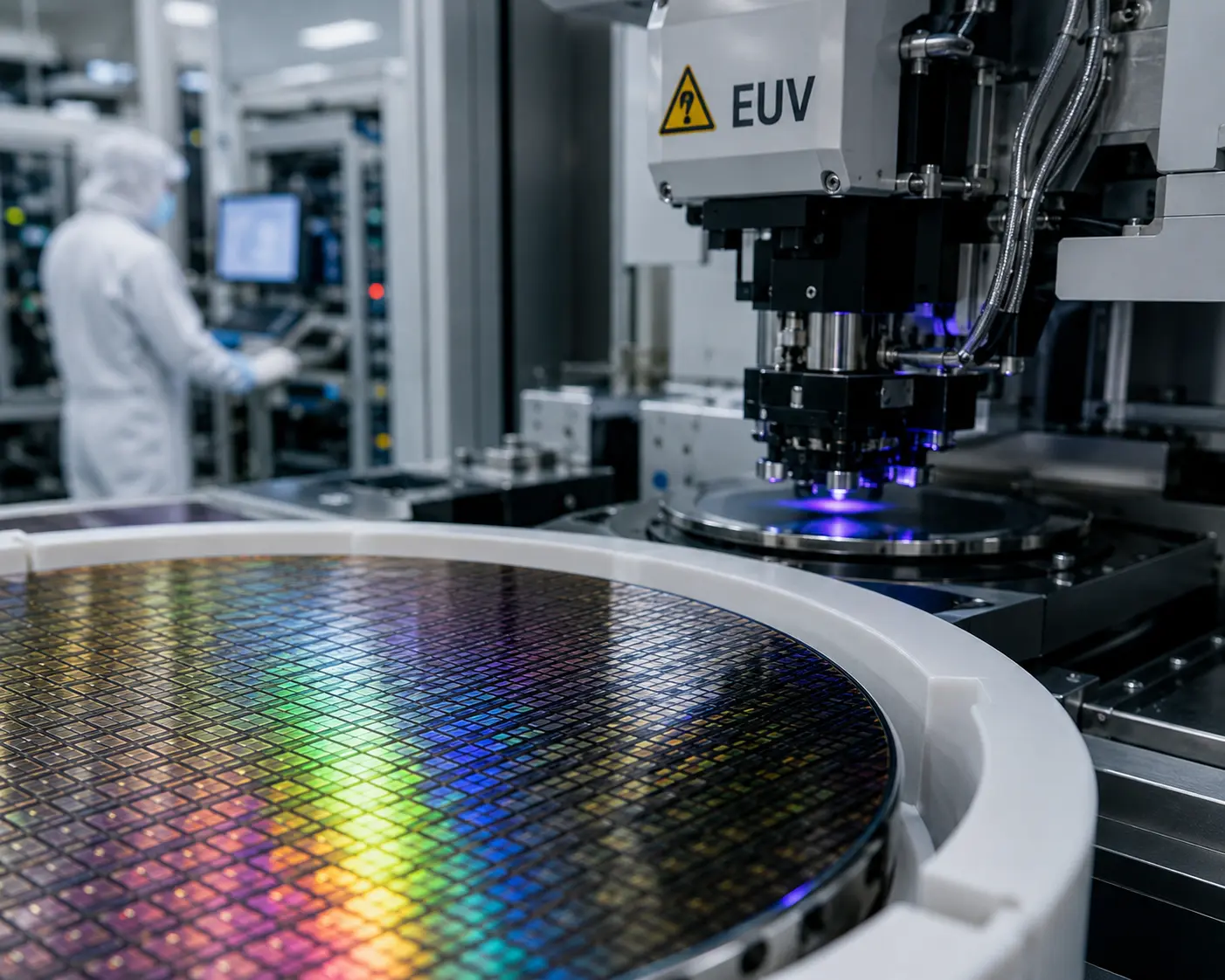
It's easy to think about AI and just picture the software, the algorithms, the models doing all the heavy lifting. But peel back the layers, and you find something far more tangible, something actually quite delicate, holding it all up. We're talking about the silicon chips, the brains of the operation, and the supply chain that makes them. It's not just about generating power; it's about fabricating these incredibly complex pieces of tech.
Think about the high-bandwidth memory and the latest processors, like Nvidia's Blackwell chips or those custom ASICs designed for massive enterprise use. Manufacturing these things is arguably the most intricate process humans have ever devised. Yet, it all funnels through a remarkably narrow point. Only a few specific factories, using incredibly specialized materials, can actually do this.
The actual creation of these advanced chips hinges on these extreme ultraviolet (EUV) lithography machines. And here's a kicker: there's essentially just one European company that makes them. Once these machines are built, they're installed in highly specialized cleanrooms, and the actual manufacturing is largely handled by one massive semiconductor outfit in East Asia. Imagine a tremor in the earth, a political flare-up in a region, or even just a hiccup in local material supply – any disruption at these critical, geographically concentrated points could instantly halt the entire world's technological advancement. Governments are pushing hard to bring chip manufacturing back home, but the global nature of this supply chain is so deeply intertwined that true, physical independence is still a distant dream, a problem for engineering and economics to solve over many years.
We've built this global digital economy that's unbelievably complex, but its very existence hangs by a thread, relying on a steady, unbroken stream of specialized silicon that travels across oceans, through shipping lanes that are, frankly, pretty vulnerable.
And it doesn't stop with the manufacturing facilities. The very materials needed to make these chips introduce their own long-term strategic challenges. Crafting these advanced silicon designs requires enormous quantities of ultra-pure water, specific industrial gases, and those rare earth elements. The problem is, these elements are often mined in regions that are, shall we say, politically volatile. The processes for refining these essential materials are also incredibly concentrated, which gives certain countries significant power over the building blocks of our digital future. As companies keep demanding more and more computing power, the geopolitical risks tied to getting these raw materials and producing wafers only escalate. What was once a corporate decision about compute capacity is now morphing into a matter of national security.
Advertisement
Thermal Dynamics and the Environmental Toll of Liquid Cooling
You know, it's funny how things that seem like simple upgrades can end up completely changing the game. We've all seen how processors have gotten incredibly powerful, packing more and more punch into smaller spaces. But with that power comes heat, and a lot of it. What's really happening is that the old ways of cooling, like just blowing air around with fans or relying on big, central air conditioning units for entire server rooms, just aren't cutting it anymore. They simply can't keep up with the concentrated heat that these super-dense processing arrays are throwing off. To keep everything from frying and to make sure these systems keep running smoothly, the whole data center world has had to pivot. We're seeing a massive shift towards liquid cooling, specifically these closed-loop systems and even direct-to-chip solutions.
But here's the kicker: all this advanced liquid cooling, while necessary for the tech, brings its own set of problems. Think about it, these massive data centers, the ones running our cloud services and powering all our digital lives, they need water. A huge amount of water, actually. We're talking millions of gallons every single day, just to keep their evaporative cooling systems humming. This puts them in direct competition with other major water users, like farms trying to grow our food and the towns and cities that need water for their residents. And in places already struggling with droughts, where the land is dry and water is scarce, these huge data centers are seriously depleting underground water sources. It's gotten so bad in some areas that we're seeing stricter regulations come down, and people are protesting because their local water supply is being affected.
Let's look at some of the numbers behind this resource strain. One big metric is water usage. For every kilowatt-hour of computing power these high-density setups churn out, they can guzzle more than 4.5 liters of clean water. That's a lot, and it really puts a strain on our water treatment facilities. Then there's the chemical side of things, particularly with some of the more advanced cooling methods like two-phase immersion cooling. These systems often use special synthetic fluids, and many of them contain PFAS chemicals. The worry here is that if these fluids leak, which can happen, they pose a long-term risk of contaminating the environment. And then, there's the sheer thermal risk. Modern server racks are packed so tightly with powerful components that there's very little room for error when it comes to cooling. If the liquid cooling system hiccups, even for a moment, and the fluid stops circulating, you could be looking at millions of dollars in hardware damage in a matter of seconds. It's a really intense situation.
On top of that, moving to these chemical-based immersion cooling systems introduces a whole new set of less obvious dangers. A lot of the special fluids used in these two-phase systems are made from complex synthetic chemicals. The problem is, these chemicals don't just break down naturally in the environment. So, if there's an accidental leak in the facility's structure, or if the waste fluid isn't disposed of properly, there's a real risk of these toxic compounds seeping into our groundwater and local ecosystems. And beyond the environmental impact, we still don't really know the long-term health effects on people who work closely with these chemical cooling units every day. It's creating this hidden layer of corporate responsibility, a potential liability that seems to be getting overlooked in the urgent race to build more and more computing power.
Financial Realities: The CapEx Conundrum and Economic Meltdown Risks
It's pretty wild how much money is being thrown at the AI infrastructure build-out right now. When you look at it from a big-picture economic standpoint, the sheer volume of capital expenditure, or CapEx, is unlike anything we've seen historically. Think about it – the big players on Wall Street, these massive groups of venture capitalists, and even some government-backed investment funds are all collectively funneling hundreds of billions of dollars every single year. This isn't just for the servers themselves; it includes buying up land for data centers, investing in the super-high-voltage electrical equipment needed to power it all, and designing the actual silicon chips that do the heavy lifting. The whole idea, the bedrock assumption behind all this massive spending on physical stuff, is that these autonomous systems will get so good at boosting productivity and generating revenue so quickly that it will all make sense. They're betting that the profits from these automated systems will be able to pay back, or amortize, these enormous initial investments in infrastructure.
But then, if you actually take a look at what companies are reporting in their financial statements, there's a pretty glaring gap between the spending and the actual income. The money going into the physical side of things – the buildings, the power, the hardware – is just skyrocketing, growing at an exponential rate. Meanwhile, the money we're seeing come in directly from apps people use every day, or from automated tools businesses are deploying, is growing much more slowly. It's more of a steady, linear climb. A lot of these software products are running on incredibly tight profit margins. That's because they require constant computational power humming away in the background just to keep them functioning. So, what happens if businesses stop adopting these automated systems at the current pace? Or what if companies start realizing that these autonomous workflows aren't actually cutting down on labor costs as much as they hoped, because you still need people overseeing things, running checks, and stepping in when the automation messes up? If that happens, the tech industry could find itself in the middle of a massive capital impairment cycle, where all that invested money just evaporates.
It really boils down to this: when the money spent on infrastructure is growing exponentially, and the actual operational revenue it's supposed to generate is only growing in a straight line, the whole market structure starts to feel pretty shaky. We're essentially building this colossal physical foundation, costing trillions, for a whole digital ecosystem where the ways we plan to actually make money from it are still very much in the experimental phase.
And if there's a sudden slowdown, a real contraction in all this infrastructure spending, that wouldn't just be a ripple effect; it would send massive shockwaves through the entire global economy. Because today's financial markets are so deeply connected to the value of these huge tech companies, a significant downturn in the AI infrastructure sector would practically shut down capital markets overnight. That would lead to a wave of corporate defaults, mass layoffs – not just in tech, but also in the engineering and construction fields that are building all this – and a long, drawn-out period where venture capital money just dries up. When you consider the immense amount of capital tied up in data centers alone, a burst in this infrastructure bubble wouldn't just be a problem for the tech industry. It would pose a serious threat to the overall stability of the macroeconomic system.
Architectural Intentionality: Reclaiming Human Oversight in an Automated World
It's interesting how we're pouring so much into building this enormous physical infrastructure. It really feels like we've bought into this idea that the absolute end goal of everything economic is just full-blown automation. We're so focused on this idea of hyper-efficiency that we've been rushing to create digital systems that are faster, bigger, and more automated than ever. But in doing that, we seem to have just tossed aside the slower, more careful stuff. Things like having humans actually oversee processes, thinking deeply about how our systems are designed, and just generally maintaining some kind of discipline within the whole system. It's a bit like a family that decides to just let automatic apps handle all their finances. They hand over their awareness of where the money is going, and they lose that conscious effort of actually sitting down and budgeting. When an economy does something similar, handing over the reins of its critical infrastructure to systems that just run in the background, completely on their own, it's running a real risk. It could lose its fundamental ability to step in when needed, to consciously make adjustments, and to bounce back from problems.
To really dial down these growing structural dangers, the whole global tech world needs a serious rethink. We have to move away from just expanding without any real direction and start being much more deliberate about how we build things. This means we need to engineer systems that actually care about using local resources in a sustainable way, systems that are neutral when it comes to how they use the power grid, and crucially, systems where humans are explicitly part of the operational loop. Instead of just creating these completely free-roaming autonomous agents that gobble up compute power with endless tasks running in the background, software engineers really need to start designing models that work within tight boundaries. They should be focused on how efficiently something runs, not just how big it can get.
Real technological progress isn't about how much electricity we pull from public grids, or how many massive server farms we build. True progress is about creating systems that fit in with the physical world around us, that actually help people, and that don't end up making society less stable. If we can bring back those manual checks, keep everything about how algorithms work completely clear and understandable, and respect the real limits of our physical infrastructure, then we can make sure the tools we're building continue to help us move forward. We can stop them from becoming the very things that make our systems so fragile.
References & Further Reading
- AI's Challenging Waters — University of Illinois, Civil & Environmental Engineering
- Big Tech Embraces Nuclear Power to Fuel AI and Data Centers — IEEE Spectrum
- ASML Stock (ASML) Analysis: EUV Monopoly, Earnings & Forecast — Tech Market Briefs
Disclaimer: The data and predictive facts provided within this special analysis are compiled from mid-2026 global market intelligence reports, infrastructure supply chain audits, and regional utility development assessments. This analysis is intended exclusively for educational and strategic information purposes and does not constitute formal financial, investment, or legal corporate advice.
Advertisement