

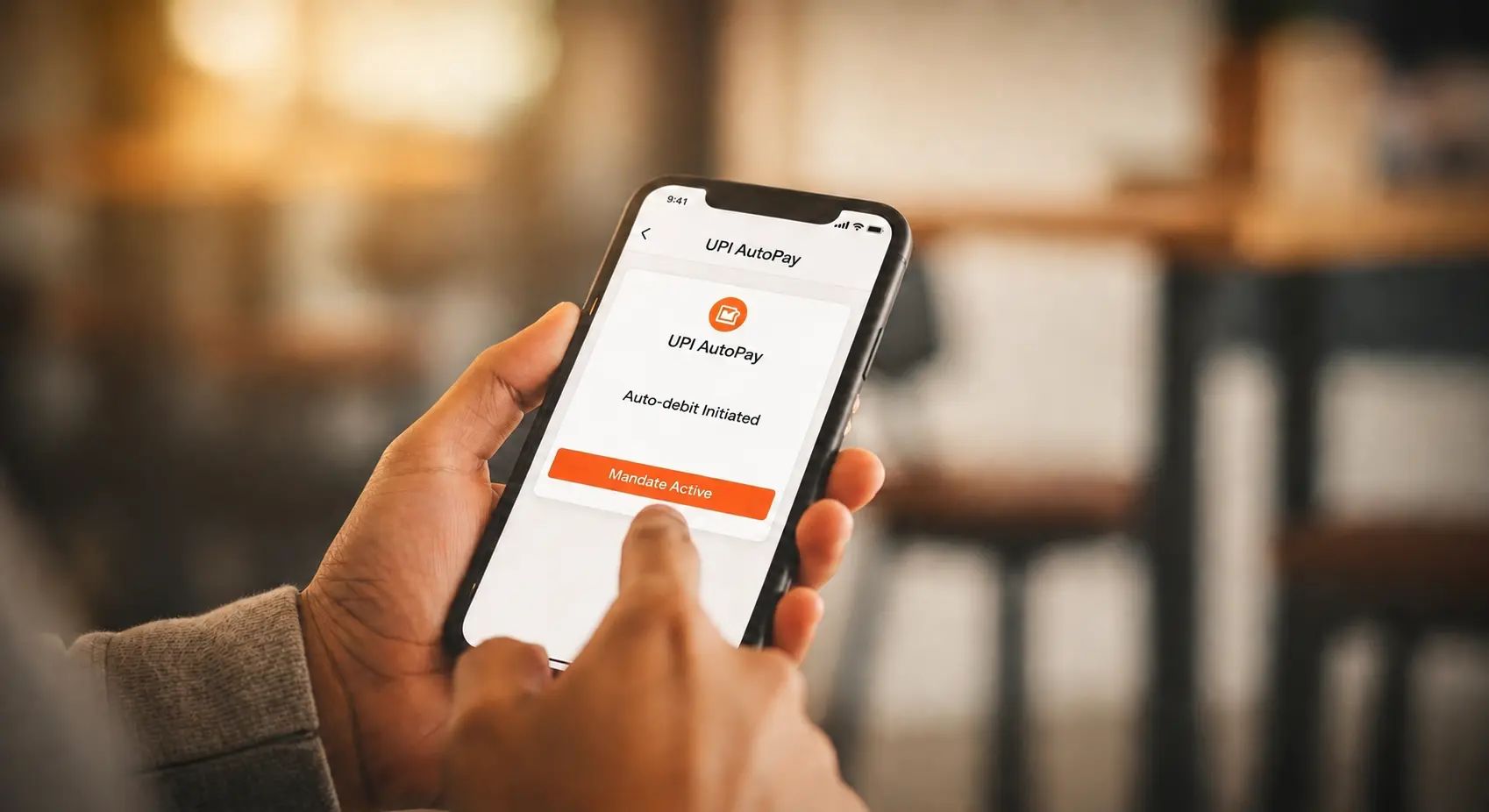
In today's hyper-convenient digital economy, recurring payments have shifted from a modern luxury into a frictionless trap. We live in an era dominated by the "Rs. 2 onboarding trial" — a psychological masterstroke deployed by streaming apps, software services, cloud storage providers, and lifestyle memberships. To claim your 7-day or 30-day trial, you simply authorize a quick UPI mandate for a nominal fee of Rs. 2. It feels completely safe, instant, and virtually free.
However, once that initial trial window lapses, the silent financial plumbing of UPI Autopay activates. Without requiring an OTP, a fresh notification, or your explicit monthly consent, the system automatically draws the full subscription amount (ranging anywhere from Rs. 299 to Rs. 2,999) directly from your linked bank account. Because these transactions are entirely automated and bypass daily manual checks, they quickly turn into a chronic, unseen leakage of your hard-earned savings.
The Hidden Cost of Frictionless Autopay
| Metric | Figure |
|---|---|
| Users forgetting active trials before renewal dates | 62% |
| Average ghost mandates per active UPI account | 3 – 4 |
| Average annual leak per user from forgotten trials | Rs. 4,500+ |
Autonomous Convenience vs Financial Awareness
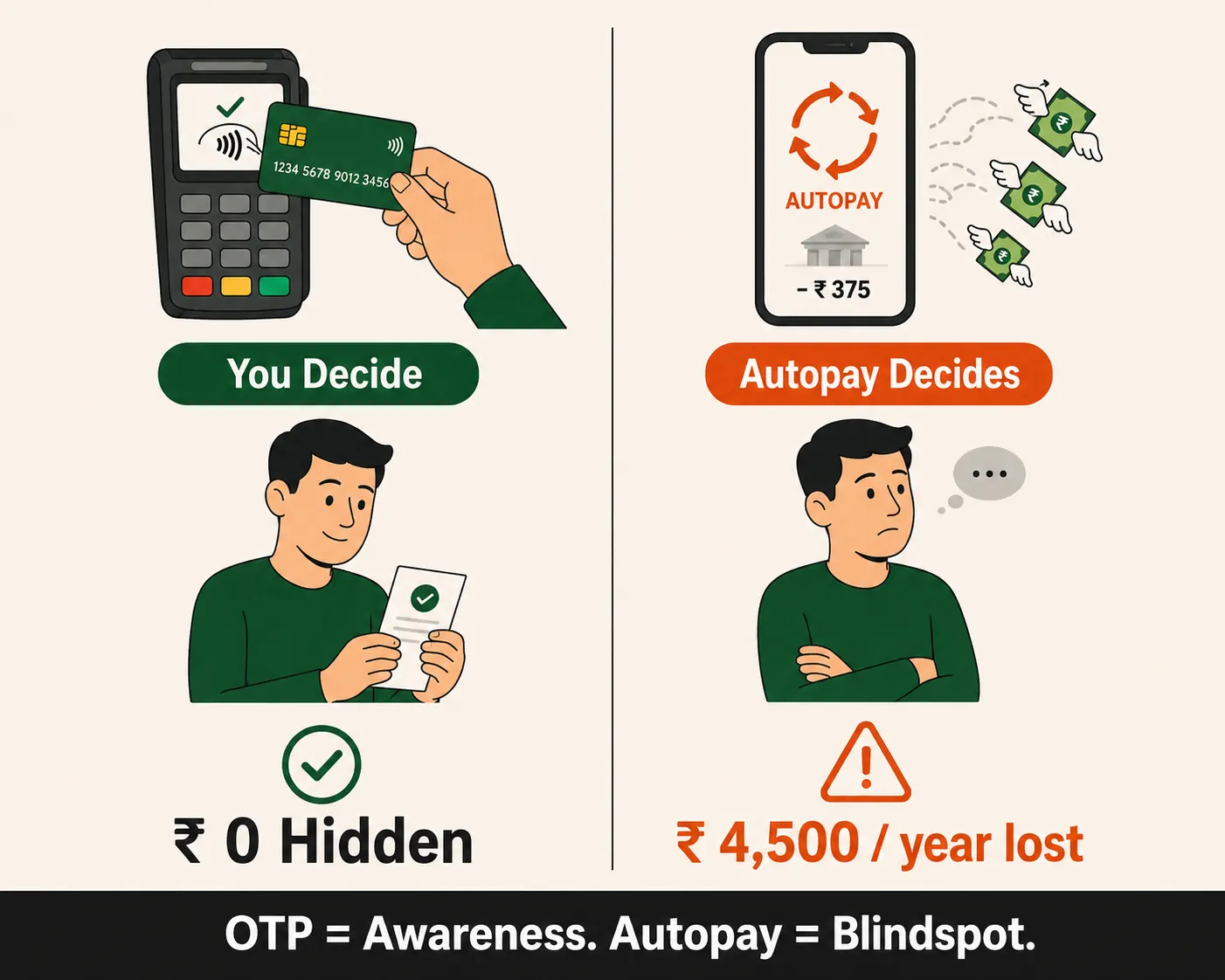
Just as modern automated software tools remove manual discipline from budgeting, UPI Autopay completely eliminates intentional spending. When you swipe a physical debit card or type an OTP, your mind registers the transaction — forcing a micro-moment of reflection on whether that expense is truly a "need" or a "want". UPI mandates sever this connection entirely.
According to banking data trends, over 65% of individuals fail to trace their active recurring mandates on a regular basis. Because the deduction happens silently in the background, users only discover the billing cycles months down the line while auditing bank statements, often finding that they paid for services they haven't launched or logged into in half a year.
Convenience is the enemy of financial awareness. When your money moves entirely on autopilot, your control over your net wealth disappears.
The Step-by-Step Audit: Tracking the Mandates
Advertisement
To eliminate these financial leakages, you must conduct a thorough digital audit across the major payment applications that interface with your bank accounts. UPI mandates are tied directly to your Virtual Payment Address (VPA), meaning you must dismantle them inside the specific applications where they were generated:
| App | Navigation Pathway | Action Required |
|---|---|---|
| PhonePe | Profile Picture (Top Left) → Payment Management → Autopay | Select Specific Merchant → Click 'Remove Autopay' |
| Google Pay (GPay) | Profile Icon (Top Right) → Autopay / Mandates | Review Pending / Active → Cancel Active Mandate |
| Paytm | Profile Menu → UPI & Payment Settings → UPI Automatic Payments | Select Active Service → Tap 'Pause' or 'Delete' |
| CRED | Settings Menu → Control Room → Automatic Rules / Mandates | Revoke Permissions for expired trial services |
How to Protect Your Account Moving Forward
To ensure that a Rs. 2 trial never turns into an unmanaged monthly or annual bill again, introduce these structural guardrails into your digital habits:
1. Set Immediate Reminders The exact moment you sign up for a trial using a UPI mandate, set an alarm or calendar log exactly 48 hours before the renewal date.
2. Utilise the 'Pause' Feature The RBI mandate infrastructure allows you to pause a mandate temporarily. If you aren't sure you will use a service next month, pause it inside your payment app immediately.
3. Isolate a Secondary Account Link your UPI auto-pay apps to a secondary, low-balance account rather than your primary savings or salary account. If the account lacks sufficient balance, the unauthorised automated recurring pull will fail cleanly.
References
[1] Reserve Bank of India. Recurring Payments — Framework for Processing e-Mandates on Cards and UPI — Click here
[2] National Payments Corporation of India (NPCI). UPI AutoPay — Product Overview and Guidelines — Click here
Disclaimer: The analysis and guides above are gathered from public payment infrastructure studies and digital banking guidelines. This should be treated as an informative operational guide to digital financial hygiene, not as official banking advisory.
Advertisement