


In today's era where everything is being optimized and driven by rapid technological integration, automated tools, and high-intensity work dynamics, we are too much dependent on corporate frameworks to dictate our lifestyles. Somehow, this intense economic push is useful for India's macroeconomic progress, and somehow it is not. While business revenue metrics skyrocket, the actual human capital fueling this engine is silently running on empty. We don't know where we actually forgot the old lost methods of personal balance, mindfulness, and strict work-life boundaries — we don't know.
AI, automated systems, and hyper-connected devices were introduced to make our professional delivery faster and with better efficiency. However, when we just ended up depending on constant connectivity, Slack alerts, and late-night digital syncs for our everything, a severe friction point emerged between business deliverables and human cognitive limits. So this article basically is going to get you all aware about what is happening with the mental health of corporate employees and what we should do to balance corporate metrics with original, authentic human wellbeing.
The Corporate Mental Health Matrix and What the Index Reveals
With multi-city corporate expansions, measuring workplace well-being has become easier and more efficient to calculate. Major insurance groups and analytical bodies regularly deep dive into the status of day-to-day corporate health. According to the comprehensive ICICI Lombard India Wellness Index, Corporate India scores a modest 60 out of 100 on the mental wellness scale. This metric clearly indicates that while physical safety parameters and basic corporate infrastructure are evolving, psychological health remains stuck in a borderline critical zone.
The index evaluates multi-dimensional pillars including physical, mental, digital, social, and financial wellness. When we separate the specific mental score, the data exposes stark vulnerabilities across different tiers of employment, age groups, and geographical hubs:
| Wellness Dimension / Segment | Index Score (Out of 100) | Primary Stress Factors / Drivers |
|---|---|---|
| Overall India Wellness Index | 65/100 | Driven down heavily by lagging mental wellness scores |
| Mental Wellness Specific Score | 60/100 | Anxiety, fear of missing out (FOMO), and workplace fatigue |
| Gen Z Employees (Age 18–25) | 57/100 | Early career instability, low resilience, and heavy digital overload |
| Metropolitan Hubs (Delhi-NCR, Mumbai) | 59/100 | Long commute hours, high cost of living, hyper-competition |
| Tier-2 Corporate Hubs | 62/100 | Better work-life balance but shifting rapidly toward metro pressures |
"True organizational wealth is not reflected in quarterly growth balances, but in the collective cognitive clarity and psychological safety of its workforce."
These wellness frameworks are evolving beyond simple annual medical checkups into complex human analytical structures. Modern tools look into employee anxiety metrics, sleep quality depletion, financial anxieties, and digital fatigue levels. This comprehensive mapping helps corporate risk managers understand what is happening inside human minds, but the solution requires shifting from mechanical checking to empathetic structural overhauls.
The True Costs of Workplace Burnout and Digital Overload
Relying purely on structural corporate dashboards without personal intervention creates a dangerous gap. In recent workplace research, it was seen that major corporate wellness programs do provide surface-level solutions like yoga sessions or basic helpline access, but they require heavy and lengthier organizational restructuring to show genuine impact. A vast difference of 65% in performance variance was seen when employees operating in high-stress, unsupportive corporate cultures were compared against emotionally validated teams.
Key Statistical Highlights from Nationwide Wellness Studies:
- Anxiety & Fatigue Loop: Nearly 2 out of every 5 corporate professionals in India suffer from acute anxiety symptoms or chronic stress-induced insomnia due to rigid timeline pressures.
- The Attrition Link: Close to 68% of employees who leave their roles within the first 90 days cite unmanaged mental strain and a lack of clear professional empathy as their core reasons.
- The Digital Chain: Over 75% of professionals state that automated work tracking software and constant remote pings create a tiresome chore of the day, turning their regular routines into a stressful loop.
Advertisement
Giving constant updates, handling unending digital tasks, and continuously tracking performance matrices becomes an endless loop of getting a few things wrong and getting them changed. This cycle takes more time, demands heavy psychological labor, and leaves major headaches, exhaustion, and physical health breakdowns in the future. If these gaps are left unchecked in personal life, household happiness drops; if left unmanaged in business teams, it can get companies into heavy operational and financial losses.
For a direct breakdown of how early-career burnout is hitting young Indian professionals hardest, see Why Peak Burnout Hits Indians at 25 – And What to Do Before It Does.
Reviving Traditional Wellness Practices: The Self-Driven Path
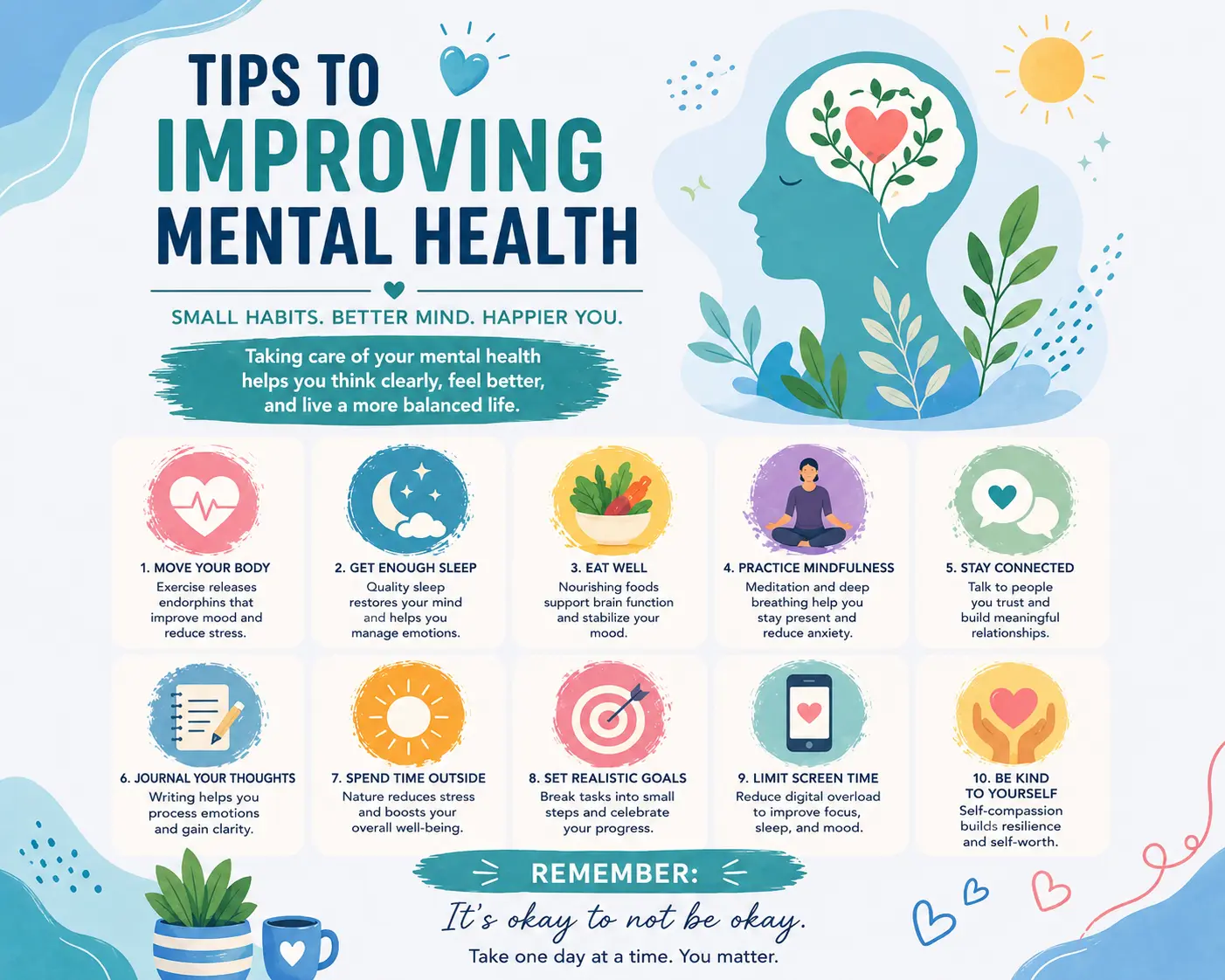
To fix this broken reactive framework, we need to lean back onto structured, intentional systems of personal care. Much like traditional models of finance management like the Japanese Kakeibo, which relies on manual tracking to build awareness and intention, mental wellness requires active, manual self-reflection. Unlike modern wellness apps that automate your habits through reminders, authentic mental tracking focuses heavily on deep personal reflection and conscious awareness, not just tracking metrics on a screen.
To successfully navigate the heavy corporate currents and build structural mental resilience, employees must intentionally practice several key methods:
- Mindful Boundary Setup: Actively separating working hours from home routines. Writing down daily work stressors manually onto a page helps the human brain process and offload professional strain.
- Structured Disconnection: Replacing continuous screen tracking with silent, unmonitored breaks. This physical change forces your mind to become fully aware of its immediate environment, creating an intentional barrier against stress.
- The Four Pillars of Personal Energy: Dividing personal time consciously into essential categories: physical movement, cultural or educational hobbies, social connections, and unexpected rest periods.
This approach may sound like a basic manual version of corporate apps, but no — it contains a proven power. When you physically pause, step away from automated trackers, and reflect on your stress factors yourself, your mind becomes fully aware of what it is doing. It helps you recognize whether your lifestyle choices are sustainable or harmful. This practice develops an active habit of thinking twice before sacrificing your physical and mental peace for temporary professional targets, which is the core principle of long-term success in health and life management.
Read Further
- ICICI Lombard India Wellness Index 2024 — Full Report PDF, ICICI Lombard General Insurance
- ICICI Lombard India Wellness Index 2025 — Full Report PDF, ICICI Lombard General Insurance
- McKinsey Health Institute Global Survey on Workplace Burnout 2023 — McKinsey & Company
Disclaimer: All data, metrics, and insights provided in this article were compiled from publicly available ICICI Lombard India Wellness Index reports, corporate health insurance tracking frameworks, and statistical studies on corporate wellness indices. This content should not be taken as an official medical or financial prescription and is intended purely for educational and informational awareness purposes.
Advertisement