


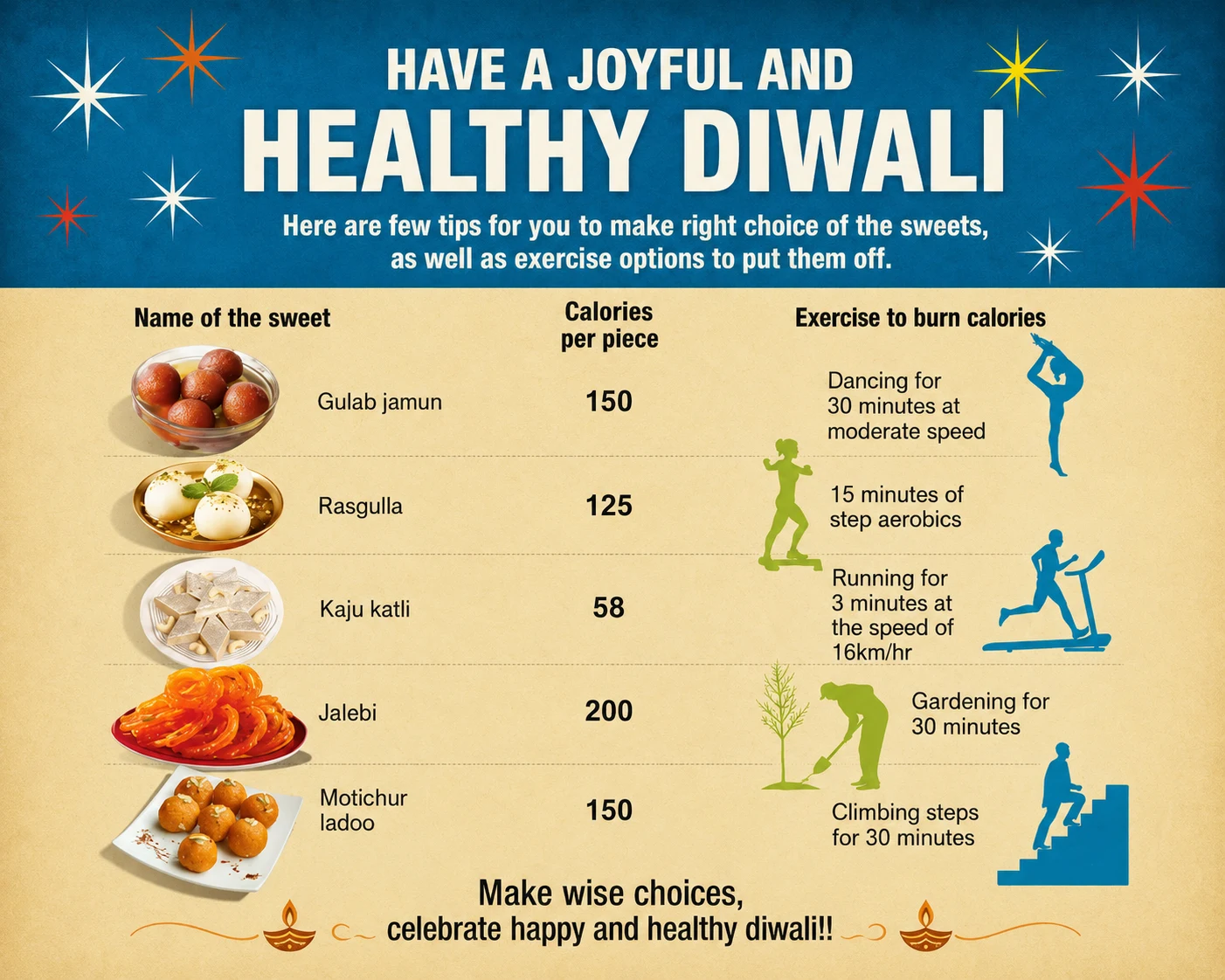
In today's fast-paced era where wellness routines and dietary biohacking are trendy, we dedicate immense energy to our everyday fitness goals. Yet, when the festive season arrives—particularly the intense, week-long celebration of Diwali—we seamlessly pivot toward unchecked indulgence. While our hearts thrive on connection, lights, and celebration, our digestive tract quietly bears a staggering biological burden. We embrace the joy of giving and social gatherings, but somewhere between the third round of artisanal mithai and late-night fried appetizers, we lose track of the basic metabolic discipline that keeps our bodies running efficiently.
This comprehensive investigation exposes what festive binging actually does to your gut ecology, supported by contemporary clinical research. More importantly, it provides a structured, step-by-step physiological reset blueprint to undo the damage without relying on exhausting, unscientific "detox" fads.
The Sugar & Trans-Fat Cascade: The Efficiency Shift
During a typical Diwali week, our dietary pattern shifts dramatically. Recent epidemiological surveys observe that the average individual increases their simple carbohydrate and saturated fat intake by "over 250%" during festive periods. This isn't just about an influx of extra calories; it is a profound chemical disruption. Industrial sweets, heavily processed snacks, and deep-fried staples alter the precise osmotic balance of the gastrointestinal lumen.
Autonomous metabolic pathways within our bodies are designed to handle occasional nutritional surpluses, but the sustained, multi-day sugar flood characteristic of Diwali pushes our microflora past its adaptive limits. When high concentrations of refined sugar hit the small intestine, they outpace normal enzyme saturation. The excess unabsorbed glucose and fructose pass straight into the colon, acting as high-octane fuel for opportunistic, pathogenic bacteria.
Damage vs. Recovery Metrics
Festive Overload System (Reactive)
- High simple sugars and industrial trans-fats trigger sudden microbial imbalances.
- Drastic spike in Firmicutes populations paired with a drop in Bacteroidetes.
- Alcohol and chemical emulsifiers weaken structural tight junctions.
- Sleep loss combined with high sugar yields a "65% higher risk" of acute reflux.
Intentional Recovery Method (Proactive)
- Focus on polyphenols, resistant starches, and targeted gut rehydration.
- Structure-dependent meal timing designed to reactivate clearing waves.
- Amino acids and targeted plant fiber rebuild mucosal barrier integrity.
- Enteric nervous system stabilization achieved within a 72-hour window.
Cons of Ignoring Post-Festive Gut Dysbiosis
Ignoring this digestive strain can lead to lasting health issues. A recent clinical study tracking gastrointestinal trends post-festive seasons observed a stark variance in microbiome diversity. Continuous overeating coupled with minimal physical activity resulted in a 45% reduction in short-chain fatty acid (SCFA)-producing bacteria within just five days. This means nearly 2 out of every 5 people develop temporary gut dysbiosis that can turn into chronic low-grade inflammation if left unaddressed.
Constantly feeding your body refined sugar while skipping fiber creates a fatiguing cycle of blood glucose spikes and bacterial die-offs. Checking your energy levels after the holidays often reveals an endless loop of brain fog and lethargy. Rectifying this requires intentional effort, or it turns into an exhausting daily chore of dealing with bloating, intense sugar cravings, and sluggishness for weeks afterward.
"Nourish consciously and restore intentionally."
The Core Principle of Microbiome Restoration
True recovery is not about punishing your body with extreme calorie restriction or liquid cleanses. The human liver and kidneys do not need liquid detox teas; instead, your gut lining needs structural support and targeted rest.
The core philosophy of healing your gut relies on resetting the Migrating Motor Complex (MMC)—the natural electrical wave that sweeps through the stomach and small intestine during periods of fasting, clearing out undigested food and preventing Small Intestinal Bacterial Overgrowth (SIBO).
Advertisement
By shifting away from continuous snacking and introducing fiber-rich, prebiotic foods alongside natural probiotics, you allow the intestinal mucosal lining to repair its tight junctions. This stops endotoxins from leaking into the bloodstream, resolving systemic inflammation and restoring regular metabolic efficiency.
The 7-Day Post-Diwali Gut Recovery Calendar
To safely restore your digestive system, execute this structured 7-day protocol. This calendar is carefully designed to ease digestive strain, rebuild your mucosal lining, and re-establish microbial diversity.
Recovery Matrix
Days 1 & 2: Gastrointestinal Rest & Decongestion Protocol: Initiate a strict 12-hour overnight digestive rest window. Eliminate all remaining festive sweets, refined flour, and alcohol. Hydrate with warm water infused with cumin and fennel seeds to reduce bloating. Consume easily digestible, continuous meals like split-yellow mung dal khichdi with a dash of clarified butter (ghee) to deliver butyric acid to colonocytes.
Days 3 & 4: Mucosal Repair & Rehydration Protocol: Introduce amino acids that repair intestinal walls. Consume homemade bone broth or well-cooked stews rich in glycine and proline. Incorporate raw, unsweetened buttermilk (Chaas) spiked with a pinch of rock salt and asafoetida (hing) during lunch to reseed beneficial lactobacillus strains. Prioritize 8 hours of sleep to stabilize cortisol.
Days 5 & 6: Prebiotic Seeding & Fiber Escalation Protocol: Gradually scale dietary fiber to feed beneficial microbial populations. Reintroduce resistant starches like cooled steamed rice, oats, and root vegetables. Aim for a target of 30 grams of diverse plant-based fiber spread across your meals. Avoid raw salads at night; opt for steamed or sautéed vegetables to keep digestive workload low.
Day 7: Systemic Reintegration & Maintenance Protocol: Assess bloating and energy levels. Establish a sustainable, structure-dependent long-term diet plan. Integrate regular physical movement (like a 20-minute brisk walk post-lunch) to stimulate natural bowel motility. Maintain a diverse, whole-food diet to lock in your gut's recovered metabolic efficiency.
Evidence-Based Digital Toolkits for Metabolic Health
If you prefer tracking your nutritional metrics, recovery timelines, and biomarkers online, you can utilize these evidence-based frameworks and digital toolkits to help structure your wellness path:
- Cronometer Nutritional Tracker — https://cronometer.com — For tracking micronutrient and dietary diversity.
- Monash University FODMAP App — https://www.monashfodmap.com — The gold standard app framework for identifying and managing post-festive bloating.
- ZOE Personal Nutrition Study — https://zoe.com — For personalized insights into postprandial inflammation and deep gut microbiome analysis.
- MyFitnessPal Fiber Monitoring — https://www.myfitnesspal.com — Simple interface tracking tools to ensure you consistently hit the 30g daily fiber recovery target.
Read Further
[1] Monash University. The Low FODMAP Diet — IBS Research, App & Dietary Framework — Click here
[2] Cronometer. Science-Backed Nutrition Tracking — Micronutrient & Dietary Diversity Monitoring — Click here
[3] ZOE. Personalized Nutrition Science — Gut Microbiome Analysis & Postprandial Inflammation Insights — Click here
Disclaimer: All the data and protocols provided above are synthesized from general clinical literature on gastroenterology, metabolic health, and nutritional science studies. This content is for educational purposes only and should not be construed as direct medical advice or a substitute for professional clinical consultation.
Advertisement