

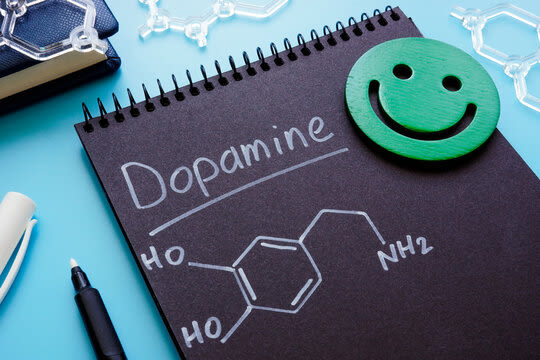
Dopamine has become one of the biggest buzzwords in wellness culture. Social media keeps throwing around "dopamine detoxes," "brain rot recovery," or "dopamine fasting" — but dopamine itself is not bad. It is one of the brain's most important chemicals, tied to motivation, focus, learning, pleasure, and habit formation.
The real issue is not dopamine — it is overstimulation. Constant scrolling, short-form videos, junk food, gaming, online shopping, nonstop notifications — all of it keeps flooding the brain with quick, cheap rewards. Do it long enough and the brain recalibrates. Suddenly studying feels unbearable, rest feels pointless, and nothing satisfies unless it comes fast. That is why a lot of teenagers and college students are now trying to build healthier dopamine habits instead of just chasing the next hit.
What Is Dopamine?
Dopamine is a neurotransmitter — a chemical messenger in the brain associated with:
| Function | What It Drives |
|---|---|
| Motivation | The urge to pursue goals |
| Reward | Feeling satisfied after achievement |
| Pleasure | Enjoyment of experiences |
| Focus | Sustained attention on tasks |
| Learning | Reinforcing what works |
| Goal Achievement | Completing what you start |
It is what tells your brain something was worth doing — and pushes you to do it again.
Common Myth Busted: Dopamine is not just the "happy hormone." It is far more connected to wanting and motivation than to happiness itself.
Signs of Unhealthy Dopamine Habits
Dopamine is a reward-giving neurotransmitter. It fires when we feel we have achieved something, or when we hit a peak of pleasure — like with sex or drugs. That kind of spike is addictive by nature, and a rapid hit of dopamine is becoming increasingly common in today's generation.
The term actually comes from a research report by the environmental organization Earth5R. It looked at how addictive, "dopamine-driven" platforms — Instagram alone has 481 million users in India — are quietly wrecking teenage focus. The parallel it draws is blunt: the reward loop of social media works like any other addiction, and it is draining youth potential.
Mental Health Gap: India has roughly 0.75 psychiatrists per 100,000 people — one-quarter of the WHO minimum. That means millions of young people dealing with platform-induced dopamine spirals have basically no professional support to fall back on.
Digital Addiction: Cheap smartphones and fast internet have pushed screen time through the roof, especially for people aged 15–34. The dopamine loops these platforms run on are a big reason why.
The Convenience Economy: India's online food delivery market grew 2.8x between 2019 and 2023. Researchers call it the "dopamine-to-doorstep" pipeline — instant gratification that is building fast-food dependency and wrecking nutrition.
| Concern | Data Point |
|---|---|
| Social media reach | Instagram alone has 481 million users in India |
| Mental health access | Only 0.75 psychiatrists per 100,000 people — one quarter of the WHO minimum |
| Digital addiction risk | Highest among individuals aged 15–34 |
| Food delivery growth | Online food delivery grew 2.8x from 2019–2023 |
Source: Earth5R environmental research report
If any of these sound familiar, that is what overstimulation looks like up close:
- Constant urge to check your phone
- Difficulty focusing on long tasks
- Feeling bored very quickly
- Scrolling without enjoyment
- Lack of motivation for studies or work
- Craving stimulation all the time
- Trouble enjoying slow activities like reading or walking
- Sleep disruption from nighttime screen use
Healthy Dopamine Habits
1. Morning Sunlight
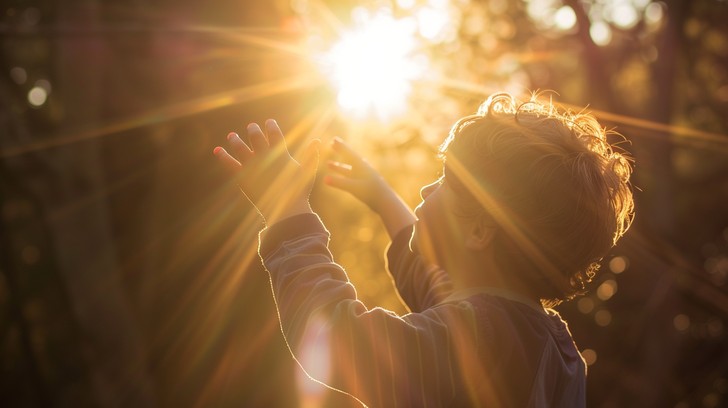
Getting sunlight within the first hour of waking helps regulate dopamine, serotonin, and your body clock. Even 10–20 minutes outside makes a real difference. Morning sunlight drives the production of neurotransmitters like dopamine and serotonin — when natural light hits the retina early in the day, it kicks off a chain reaction that wakes the brain up, lifts mood, and gets alertness going.
The Retinal Connection: The eyes have specialized light-sensing cells called ipRGCs. Bright natural light stimulates them, and they signal directly to the brain's circadian clock and the areas tied to dopamine production.
Sleep-Wake Cycle: Morning light shuts down melatonin production — the sleep hormone — and starts the daytime hormone cycle. That is what primes the brain for dopamine and cortisol release.
Mood and Focus: Once dopamine gets elevated early, drive and alertness follow. Productivity comes faster, and that productivity itself feeds another healthy dopamine hit.
| Mechanism | Effect |
|---|---|
| Stimulates light-sensing cells (ipRGCs) | Wakes up the brain |
| Halts melatonin production | Transitions from sleep to alertness |
| Kickstarts daytime hormone rhythms | Primes dopamine and cortisol release |
| Elevates dopamine early | Boosts drive, mood, and focus for the day |
Pro tip: Even overcast days count. Outdoor light — cloudy or not — is far stronger than anything inside.
2. Movement and Exercise
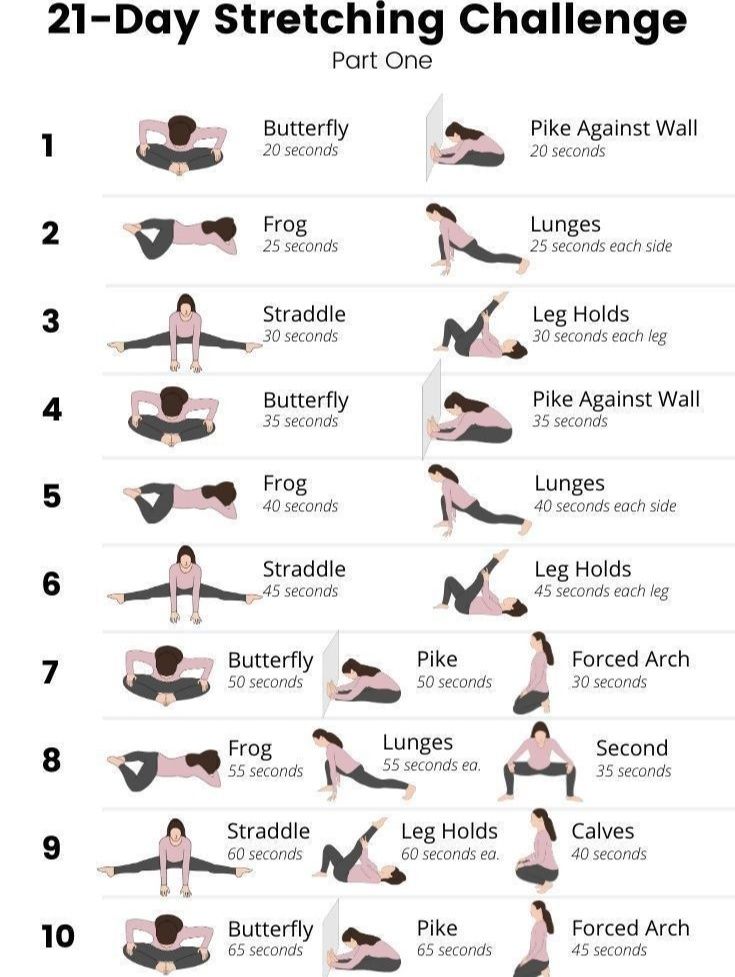
Exercise is one of the most reliable ways to boost dopamine naturally. The body is built to move — not in the gym-membership sense, but in the basic daily sense. Back in the 1900s, movement was just part of life. People walked everywhere — work, school, the bakery. No friction, no planning. That is widely considered one of the main reasons people in that era stayed in better shape.
Popular Gen Z-friendly options include:
| Low Intensity | Moderate Intensity | High Intensity |
|---|---|---|
| Walking workouts | Yoga | Strength training |
| Silent walking | Pilates | Dance cardio |
| Stretching | Cycling | HIIT |
Short daily movement beats intense workouts done once in a while — every single time.
3. Delayed Gratification
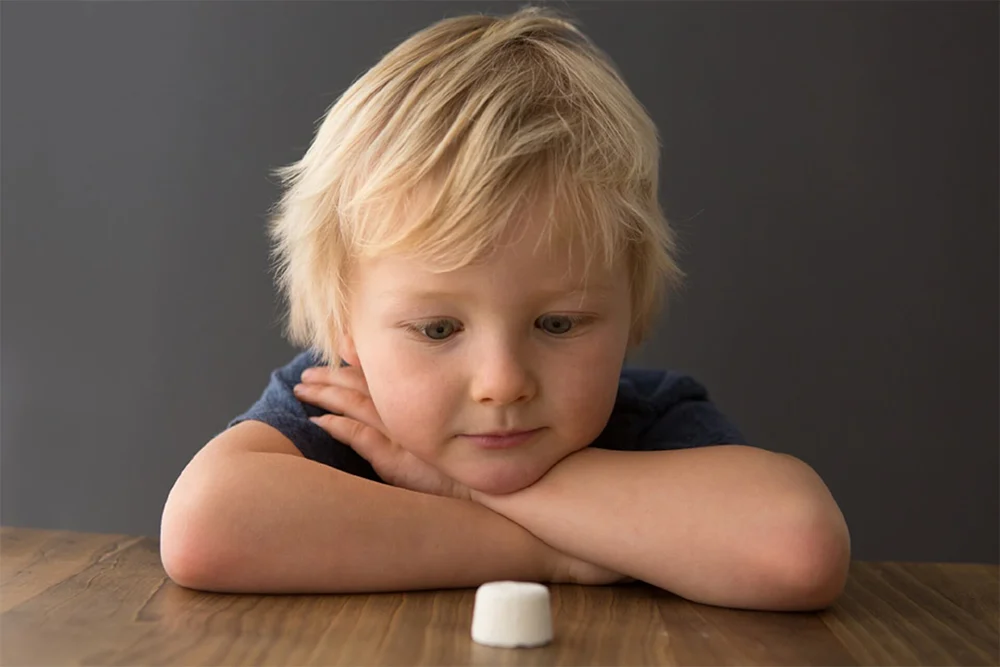
Training yourself to work before rewards is one of the most underrated dopamine habits there is. The Stanford Marshmallow Test, run by psychologist Walter Mischel in the late 1960s, tested exactly this. Kids were left alone in a room with a marshmallow — eat it now, or wait and get two. The ones who waited ended up more successful later in life. Not because of willpower in some abstract sense, but because they had figured out something real about patience, effort, and deferred reward.
Advertisement
Today there are a lot of ways teenagers can apply this:
| Context | Avoid | Better |
|---|---|---|
| Reels vs Study | Watch reels first, then study | Study first, then watch reels |
| Gaming vs Tasks | Game first, tasks later | Finish tasks first, then game |
| Notifications | Check during focus time | Check only after focused work |
Small reordering. Real impact on attention span and self-control.
4. Reducing Endless Scrolling
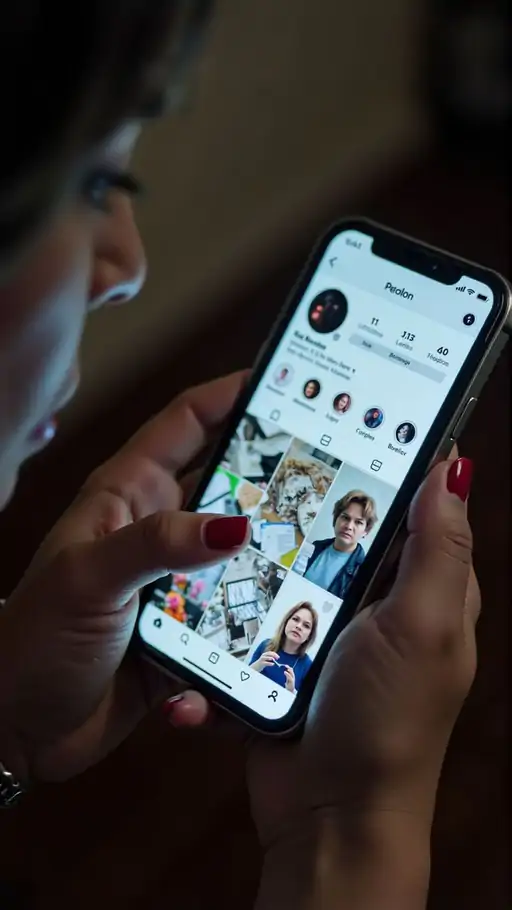
Short-form content spikes dopamine fast and often. Over time the brain adjusts — the threshold creeps up, and dopamine starts firing not because anything good is happening, but just because the scrolling is happening. No enjoyment, just reflex.
A few things that actually help:
- Turning off unnecessary notifications
- Using app timers
- Keeping phones away while studying
- Having screen-free hours before sleep
Quitting social media entirely is not the point — balance matters more than elimination.
5. Deep Focus Activities

Activities that need real concentration produce a different kind of dopamine response — slower to arrive, but deeper and longer lasting. They give the mind actual rest from the constant micro-stimulation it runs on all day. The brain gets a chance to recalibrate blood flow, balance mood hormones, and when the dopamine hit does come, it actually elevates the mood.
| Creative | Intellectual | Skill-Based |
|---|---|---|
| Art & drawing | Reading | Music practice |
| Journaling | Learning languages | Coding |
| Creative writing | Philosophy / history | Chess / strategy |
Hard at first. More rewarding over time. The attention span rebuilds — and that changes everything.
6. Better Sleep
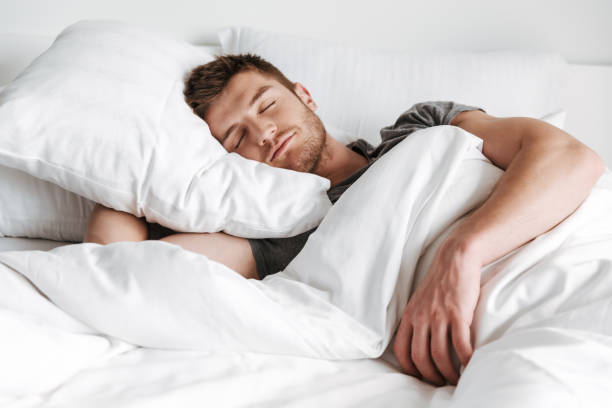
Poor sleep wrecks dopamine sensitivity and kills motivation. When the body has not rested properly, melatonin production gets thrown off, cortisol shoots up, and the brain starts desperately looking for a quick dopamine hit — the phone, junk food, more scrolling. Which makes sleep worse. Which makes cortisol higher. It loops.
Poor Sleep → Elevated Cortisol → Craving for Dopamine Hits → Phone / Junk Food / Scrolling → Late-Night Screen Use → Further Disrupted Sleep → (back to Poor Sleep)
| Habit | Why It Helps |
|---|---|
| Consistent sleep schedule | Regulates circadian rhythm |
| Reduce screens before bed | Preserves melatonin production |
| Cooler, darker room | Supports deeper sleep stages |
| Limit late caffeine | Prevents delayed sleep onset |
Most teens and college students are running on chronic sleep deprivation. It is probably the single biggest thing quietly wrecking their focus, mood, and productivity.
7. Real-Life Social Connection
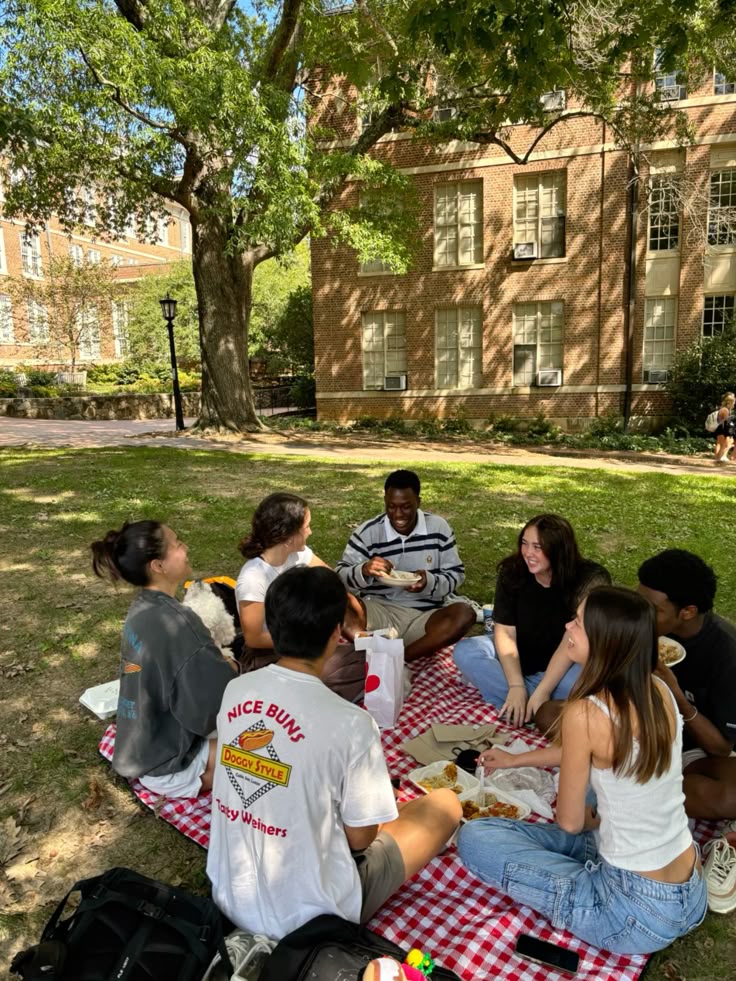
In-person conversations, laughter, and emotional connection hit different from online interaction. Sitting in a cafe or even just being in the same room as people whose company feels easy and open — those interactions calm the mind and get oxytocin flowing. And oxytocin actually reduces the craving for constant dopamine hits. It gives the brain a proper break.
Simple stuff that works:
- Walking with friends
- Family meals
- Study groups
- Shared hobbies
That is it. Nothing complicated.
8. Protein-Rich Nutrition
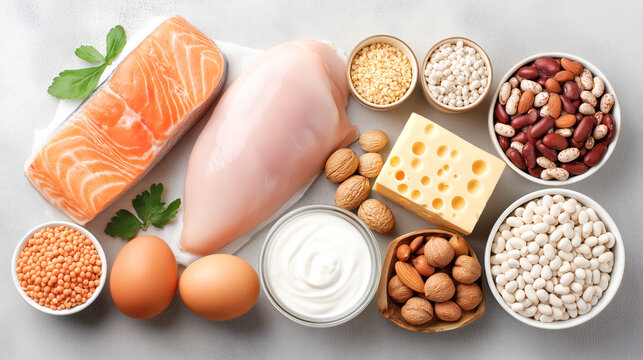
Dopamine is built from the amino acid tyrosine, which shows up in a lot of everyday healthy foods. Eating enough of them keeps the gut healthy and supports steady dopamine production — the stable kind, not the spike-and-crash kind.
| Animal Sources | Plant Sources |
|---|---|
| Eggs | Lentils & beans |
| Dairy & paneer | Soy & tofu |
| Fish | Nuts & seeds |
| Chicken | Legumes |
Protein-forward meals = stable energy and mood. Sugar = a short high, then a drop.
The Truth About "Dopamine Detox"
The phrase is everywhere and it does not really hold up. The brain cannot run without dopamine — a total detox is not a thing. Extreme versions of this, where people cut off all stimulation and all pleasure, usually backfire. The brain does not reset. It just gets frustrated.
What actually works is reducing overstimulation and slowly rebuilding the ability to focus. That means intentional tech use, not digital fasting. Restructuring when rewards happen, not cutting them out. Gradual changes that actually stick, not all-or-nothing experiments that last three days.
| Avoid | Instead, Try |
|---|---|
| Extreme digital fasting | Intentional, time-limited tech use |
| Eliminating all rewards | Restructuring the sequence of rewards |
| Guilt around pleasure | Mindful enjoyment of meaningful activities |
| All-or-nothing thinking | Gradual, sustainable habit changes |
Why This Trend Is Growing
Teenagers and college students today are dealing with constant digital stimulation — reels, notifications, social comparison, academic pressure, all hitting at once. Scrolling without even enjoying it, getting a dopamine release the brain never actually asked for. The result is academic pressure piling up, sleep falling apart, endless social comparison, and information overload that never switches off.
So a lot of young people are starting to look for something slower. Something that actually feels good:
- Mental clarity
- Emotional regulation
- Productivity
- Better focus
- Sustainable wellness
That is what is driving "soft life," "silent walking," "digital detox," and "healthy dopamine habits" all at once. Different names, same underlying need — to feel present, and to feel like rewards are actually worth something.
Final Thoughts
This is not about becoming a perfectly disciplined person. It is not about removing fun from life. It is about teaching the brain to find real satisfaction again — in things that take a bit longer and actually last.
Better sleep. Daily movement. Less scrolling. More time offline. Small things, done consistently.
The goal is not less dopamine. The goal is healthier rewards.
References
-
Earth5R — The Attention Harvest: Instagram, Food Delivery & Fast Fashion Drain India's Teenage Potential
-
Britannica — Walter Mischel
Advertisement