

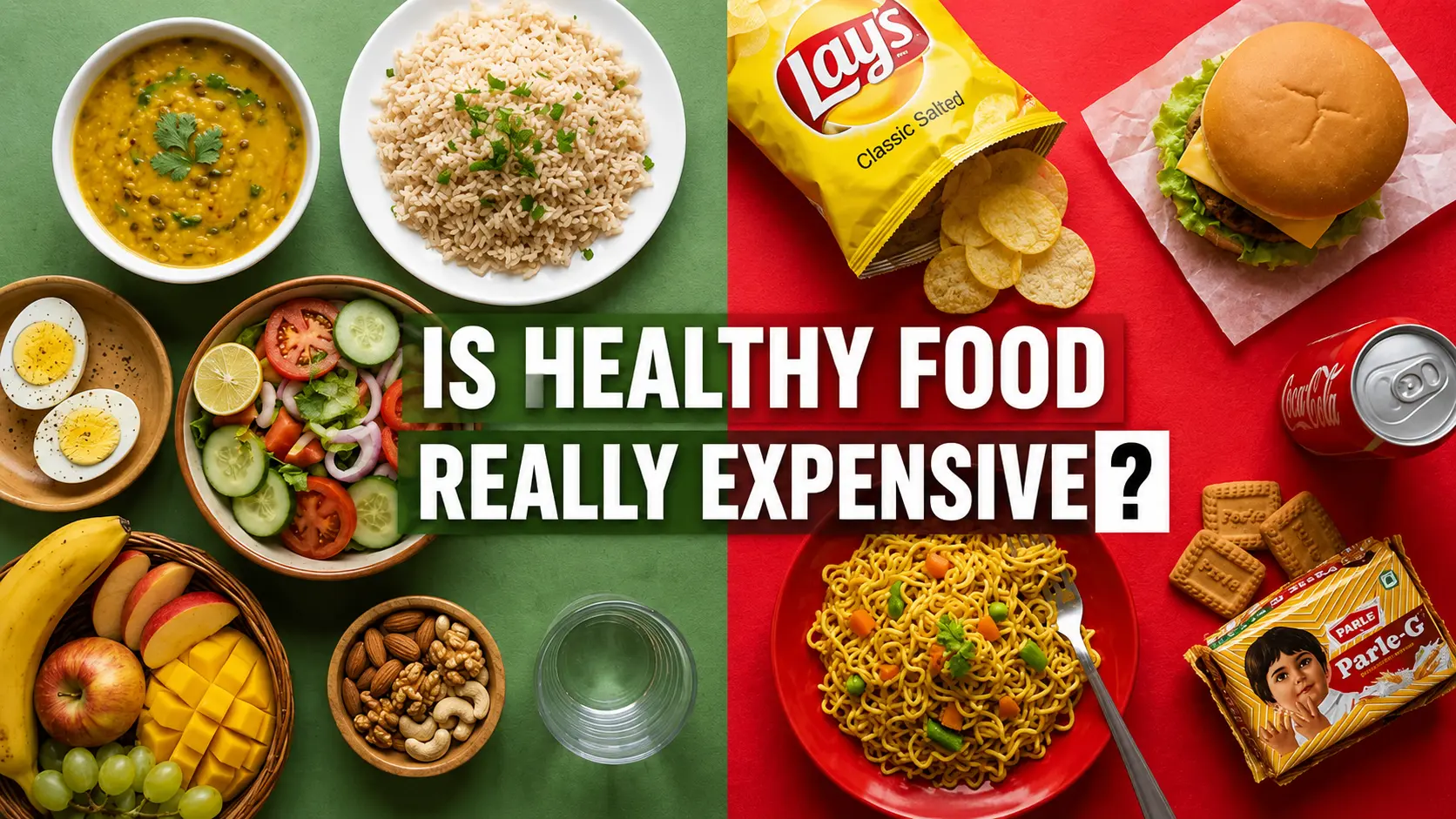
In today's fast-paced urban landscape, where high-calorie, ultra-processed food deliveries are accessible with a single click, a significant shift is taking place in how Indians view their plates. We often find ourselves heavily reliant on food automation, quick-commerce delivery apps, and instant-cooking packets to optimize our tightly packed routines. It makes life efficient, predictable, and undeniably fast. However, much like leaning blindly on autonomous systems without monitoring the core engine, this convenience hides a silent, escalating toll on our health and financial discipline.
When our grocery carts shift from traditional whole ingredients to branded packages boasting healthy buzzwords, we encounter a modern dilemma: the widespread belief that eating clean is an elitist privilege reserved only for high-income earners. The phrase "healthy food is too expensive" has become a standardized excuse for defaulting to cheap, processed alternatives. But is this truly backed by empirical financial metrics, or have we simply lost touch with foundational dietary budgeting? This article provides an exhaustive, data-backed analytical breakdown comparing a Standard Convenient/Processed Indian Diet against an Optimized Nutrient-Dense Whole Food Diet, revealing exactly where your hard-earned rupees are going.
The Illusion of Cheap Convenience: The Ultra-Processed Blueprint
The contemporary Indian household budget is frequently drained by items that appear inexpensive on a single-transaction basis but carry low nutrient density per rupee. Mass-market refined wheat (maida), high-sodium instant noodles, seed-oil-based evening snacks, and heavily marketed carbonated beverages form the base of the modern urban diet. These items leverage heavy processing to extend shelf-life and optimize profit margins for corporations, while offering very little intrinsic nutritional value.
In a recent economic sample study of tier-1 and tier-2 urban grocery trackers, an alarming trend emerged. While a packet of instant noodles or an automated food-app delivery may cost as low as Rs. 40 – Rs. 120 per meal, its systemic caloric efficiency is remarkably low. Recent consumer reports indicate a major shift: over 65% of mid-income households overestimate the affordability of processed eating frameworks. In practice, because these foods lack dietary fiber and essential proteins, they yield a high glycemic response. This triggers accelerated hunger cycles, causing consumers to purchase secondary snacks and high-sugar refreshments within a 3-hour window. This dynamic loops individuals into an endless cycle of micro-spending that fragments a household's monthly disposable income.
"Buy whole, invest in health, and manage your kitchen intentionally."
Breaking Down the Balance Sheet: Market Facts and Real Costings
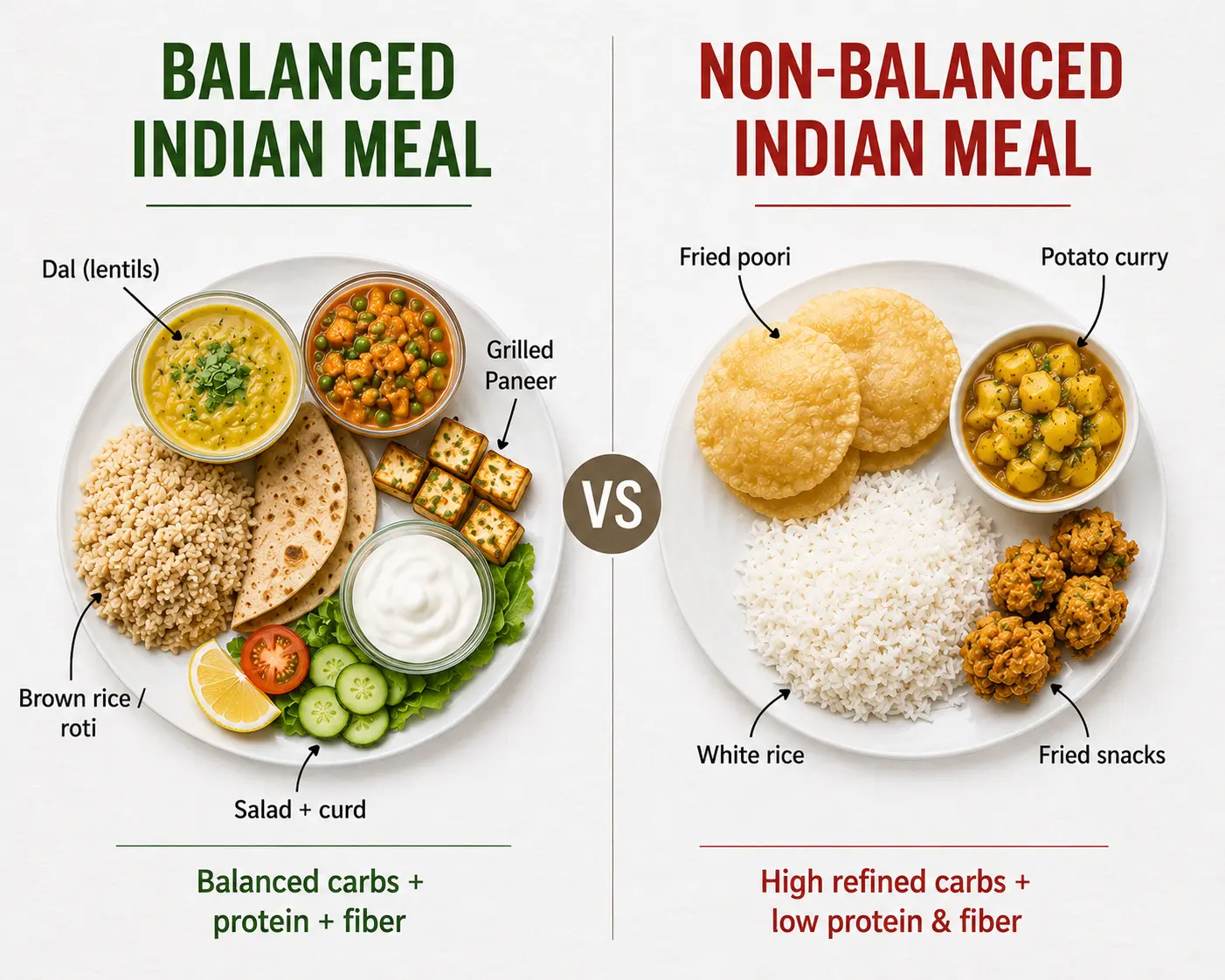
To accurately gauge the true financial variance, let us evaluate the direct market rates across Indian metros (Mumbai, Delhi-NCR, Bengaluru, and tier-1 hubs) as of mid-2026. The core error in modern grocery budgeting occurs when consumers contrast low-grade processed staples with premium, organic-branded Western imports like quinoa, kale, avocados, and chia seeds. When structured natively, clean eating in India relies heavily on robust local agronomy, which provides significant economic efficiency.
Diet Framework A: Processed & Convenient
- Processed Staples: Branded breakfast cereals, white bread, instant noodles, instant soup packets. Avg. Cost / Kg or Pack: Rs. 60 – Rs. 180
- Convenience Proteins: Commercial frozen nuggets, processed cheese slices, low-grade meat cuts. Avg. Cost / Unit: Rs. 250 – Rs. 450
- Snacks & Beverages: Potato chips, commercial cookies, carbonated colas, sugary juices. Avg. Cost / Month: Rs. 2,500 – Rs. 3,500
Estimated Total Monthly Cost: Rs. 8,500 – Rs. 12,000 per person
Diet Framework B: Local Whole Foods & Healthy
- Whole Grain Staples: Unpolished brown / red rice, whole wheat daliya, millets (Ragi/Bajra), rolled oats. Avg. Cost / Kg: Rs. 50 – Rs. 120
- Lean & Whole Proteins: Local farm eggs, whole lentils (dal), black chana, curd, unbranded paneer, tofu. Avg. Cost / Unit: Rs. 80 – Rs. 280
- Nutrient Micro-Budgets: Seasonal local fruits (banana, guava, papaya), roasted chana, peanuts, seeds. Avg. Cost / Month: Rs. 1,200 – Rs. 1,800
Estimated Total Monthly Cost: Rs. 6,000 – Rs. 8,500 per person
The empirical balance sheets reveal an intriguing conclusion: a native, nutrient-dense whole food regimen is consistently 25% to 35% more cost-effective than a diet reliant on processed convenience foods. The misconception of hyper-expensive healthy eating stems directly from food marketing tactics that push premium exotic imports, rather than focusing on high-quality, local Indian produce.
For a closer look at what these grain and protein choices actually deliver at the macronutrient level — and why switching to millets alone does not automatically improve your metabolic outcomes — see The Millet Trap: Why Switching to Jowar / Bajra Won't Automatically Make You Healthier.
The Mindful Kitchen: Applying Structure to Financial Nutrition
If the numbers favor healthy eating, why do so many urban professionals abandon their wellness journeys within weeks? Much like Western reactive budgeting systems that lead to impulsive spending, modern eating habits are highly reactive. We tend to order food or purchase expensive ready-to-eat meals when we are tired, stressed, or unstructured. This behavioral pattern leads to significant hidden expenses over time.
To overcome this, we can look to structured, mindful approaches like the Japanese Kakeibo method. When applied to nutrition, it shifts our mindset from reactive consumption to intentional preparation. By categorizing kitchen expenses into clear buckets — Essential Whole Groceries (Needs), Premium/Organic Additions (Wants), Traditional Wellness/Superfoods (Culture), and Emergency/Social Dining (Unexpected) — consumers gain full visibility over their food spending. Preparing meals with whole, local ingredients creates a natural pause, allowing us to build a more conscious connection with what we consume and what we spend. When you take control of your raw ingredients, your awareness of value increases, helping you naturally phase out the empty calories that drain both your health and your bank account.
Read Further
- Household Consumption Expenditure Survey 2023-24: Summary Findings — Ministry of Statistics & Programme Implementation, Government of India
- A Comparison of the Indian Diet with the EAT-Lancet Reference Diet — BMC Public Health, 2020
Disclaimer: All data and market costs provided in this article are derived from regional Indian retail consumer price trackers, MoSPI Household Consumption Expenditure Survey 2023-24 findings, and standard nutritional market analyses current as of mid-2026. This content is intended for educational and budgeting reference purposes and should not be substituted for clinical dietetic prescriptions or formal financial consultations.