

We have all experienced the crushing weight of modern professional burnout—that peculiar variety of fatigue where sleep no longer repairs the cognitive deficit, and weekends blur into a relentless cycle of domestic upkeep and digital catch-up. When we finally book time away, our intentions are uniformly pure: we want to rest. Yet, how often do we return from a vacation feeling more depleted than when we left? The culprit is rarely the duration of the trip; rather, it is a fundamental mismatch between our specific cognitive exhaustion profile and the trip format we selected.
People often view travel through two polarized archetypes: either escaping to an isolated wilderness cabin to find solitary enlightenment, or diving headfirst into a world-class metropolis to absorb sensory stimulation, high culture, and kinetic energy. In reality, psychological and somatic recovery is far more nuanced. An unprepared trip into nature can quickly turn into a stressful ordeal marked by inclement weather, relentless insects, and physical strain. Conversely, an unhurried, mindful city break can offer extraordinary restorative nourishment through morning museum visits, neighborhood flânerie, and effortless public transit.
This guide moves beyond marketing romanticism to analyze the mechanics of psychological recovery. We dissect the hidden stressors of both urban and wilderness environments, evaluate trade-offs across six logistical dimensions, and provide practical decision trees to help you design a trip that genuinely restores your mind.
1. Defining Recovery Goals: Novelty, Quiet, Social Connection, Walking, Creativity, or Solitude
To identify the right trip format, we must first diagnose the precise nature of our exhaustion. Under Attention Restoration Theory (ART), developed by psychologists Rachel and Stephen Kaplan, modern workplace burnout is largely driven by continuous directed attention fatigue. In our daily work, we constantly exert conscious effort to inhibit distractions, process dense information, and solve analytical problems.
True restoration requires environments that evoke 'soft fascination'—stimuli that gently capture attention without requiring effortful cognitive focus. Soft fascination can occur in a sunlit pine forest, but it can equally emerge while watching afternoon light dance across cobblestone alleys or sitting quietly in a neighborhood café.
Before booking, match your current deficit against six core restorative goals:
- Novelty & Cognitive Defrosting: When routine breeds numbness, the brain stops encoding vivid episodic memories. Cities provide dense micro-novelty: unexpected architectural facades, vibrant markets, and unfamiliar culinary aromas. Nature provides macro-novelty: dramatic geological formations, seasonal shifts, and expansive horizons that require kinetic exploration.
- Auditory Quiet & Sensory Rest: Modern life bombards us with high-frequency artificial noise. While wilderness delivers low-frequency acoustic natural soundscapes (wind, rustling foliage, moving water), cities also contain remarkable quiet sanctuaries: cloistered monastery courtyards, serene botanical conservatories, and quiet libraries during morning hours.
- Social Connection vs. Solitary Space: Burnout can stem from isolation or emotional over-extension. If you seek to reconnect with a partner or companion, urban environments offer shared dining, theater, and gallery visits that naturally facilitate conversation. If you must replenish your own energetic baseline, solitary immersion in nature removes external social demands entirely.
- Kinetic Movement & Somatic Release: Physical exertion burns off accumulated stress hormones (cortisol and adrenaline). Nature provides sustained, continuous movement across hiking trails and coastal paths. Cities offer urban wandering—unhurried miles across diverse neighborhoods punctuated by restful cultural pauses.
- Creative Inspiration: When creative reserves dry up, changing your visual landscape resets divergent thinking. Cities inspire through architectural design, human variety, and historical layers; nature stimulates through primordial scale, natural symmetry, and deep time perspective.
- Anonymity & Unobserved Solitude: In crowded hometowns, we constantly manage social identity. A city allows you to enjoy the joyful anonymity of the flâneur—blending effortlessly into crowds without expectation. In contrast, nature offers true ecological solitude, where living ecosystems function entirely indifferent to your presence.
2. Comprehensive Comparison: City Break vs. Nature Break
Evaluating urban immersion against rural retreat across six operational dimensions clarifies the structural trade-offs of each format:
| Operational Dimension | City Break (Urban Immersion) | Nature Break (Wilderness / Rural) |
|---|---|---|
| Sensory Load | High visual and auditory density. Requires filtering crowds and traffic, but offers vibrant cultural fascination and architectural texture. | Low background noise, natural color palettes, and expansive horizons. Deeply restorative for sensory fatigue, though sudden storms require adaptability. |
| Transport Logistics | High connectivity. Subways, trams, commuter rail, and walking. Minimal driving stress; highly navigable without a personal vehicle. | Often requires car rentals, winding rural roads, 4x4 capability, or rigid shuttle timetables. Remote trailheads require precise navigation. |
| Planning Complexity | Moderate pre-trip booking (museums, transit passes, dining), but provides infinite on-the-ground flexibility if plans change due to fatigue. | Front-loaded logistical planning (permits, gear checks, weather tracking, food packing). Inflexible once committed to remote backcountry routes. |
| Cost Structure | Highly variable. Luxury hotels and fine dining escalate costs, but budget travel is easily achieved via street food, public transit, and free public parks. | Upfront gear investments can be steep. Lodging ranges from budget campsites to premium eco-lodges. Dining is typically self-catered, saving daily cash. |
| Weather Vulnerability | Minimal disruption. Rain or heatwaves are easily mitigated by ducking into galleries, covered arcades, historic libraries, or cafes. | High vulnerability. Heavy rain, sudden blizzards, intense heat, or wildfire smoke can instantly cancel trails, compromise safety, and force evacuations. |
| Accessibility & Safety | Paved sidewalks, accessible transit, and rapid emergency healthcare access. Requires vigilance against petty urban scams and pickpocketing. | Rough terrain, elevation shifts, and wildlife considerations. Emergency medical assistance can be hours away, requiring self-sufficiency. |
3. Why Nature is Not Automatically Restful and Cities are Not Automatically Stressful
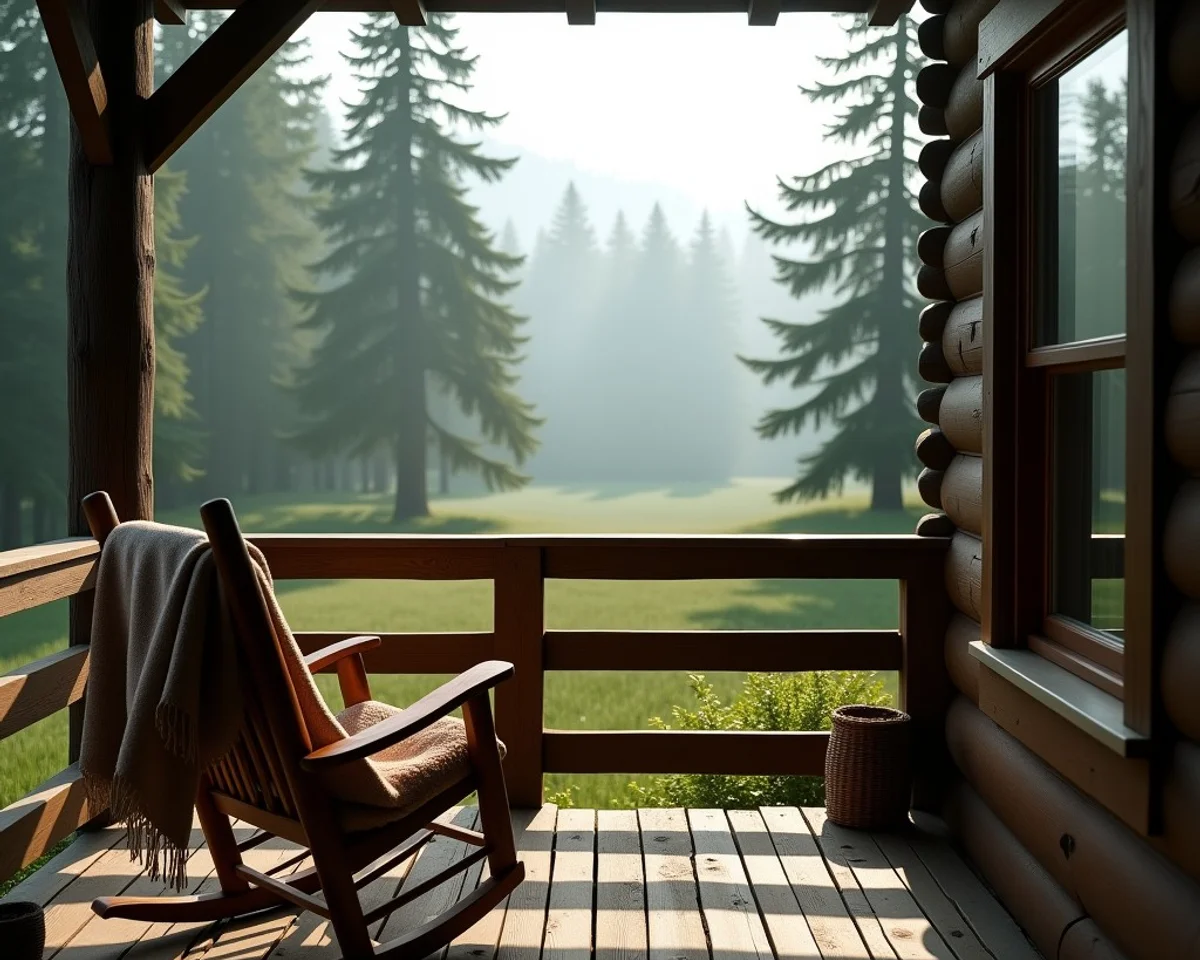
A pervasive wellness myth insists that retreating to nature is an automatic cure-all for stress. Yet nature is inherently indifferent to human comfort. A grueling alpine hike with a twenty-pound pack in scorching heat or cold rain is an endurance workout, not a restorative retreat. If your nervous system is already operating near collapse, dealing with navigational anxiety, damp tents, and unfamiliar outdoor gear can trigger acute stress.
Conversely, conventional wisdom paints all cities as loud, anxiety-inducing cauldrons. Yet cities can offer profound restorative sanctuaries when navigated intentionally. Spending a quiet morning in an uncrowded museum gallery, strolling along the Seine or Amsterdam's canals at dawn, or spending three unhurried hours reading in a peaceful tea shop provides deep sensory delight without the logistical friction of the wilderness.
Core Insight: Restfulness is not determined by trees versus concrete. It is determined by the degree of autonomy and flexibility in your schedule. A packed, hyper-scheduled city tour induces exhaustion; a rigid, physically punishing wilderness trek induces equal fatigue. True recovery requires the freedom to wake spontaneously, eat when hungry, and move at your own unhurried pace.
Advertisement
4. Decision Tree for Solo, Couple, Family, and Group Travel
Travel party dynamics exert a massive influence on vacation success. A format that restores a solo traveler can easily overwhelm a family or fracture a travel group:
A. Solo Travel: Total Autonomy and Self-Correction
Solo travel provides complete freedom to pivot without negotiation.
- City Break Recommendation: Highly recommended. Choose compact, walkable historic cities with exceptional café culture and public transit (e.g., Vienna, Kyoto, Edinburgh). Cities offer safe anonymity, abundant solo dining, and structured stimulation that prevents isolation while honoring quiet solitude.
- Nature Break Considerations: Excellent for profound introspection via cabin retreats or established hut-to-hut trail networks. Ensure robust safety redundancies and satellite communication tools when traveling solo in remote wilderness.
B. Couple Travel: Synchronizing Exhaustion Profiles
Couples frequently enter holidays with asymmetrical fatigue. One partner may be mentally drained from desk work (craving physical movement and fresh air), while the other is physically exhausted from manual or fast-paced work (craving sedentary comfort and passive culture).
- City Break Recommendation: Superior when energetic profiles diverge. Cities allow partners to divide naturally during the day—one exploring an art gallery while the other browses bookstores or relaxes in a park—reuniting effortlessly for dinner without logistical friction.
- Nature Break Considerations: Successful only when both partners share equivalent fitness levels, outdoor tolerances, and comfort expectations. Mismatched expectations regarding physical exertion or rustic amenities can generate relationship friction.
C. Family Travel: Managing Cognitive Load and Friction
Traveling with children transforms vacations into 'parenting in a new location' unless environmental friction is minimized. Children require predictable meals, physical release, and safety.
- City Break Considerations: Urban environments can prove challenging due to crowded subways, stroller-unfriendly cobblestones, and strict museum schedules. However, cities with abundant green spaces (such as London, Copenhagen, or Tokyo) offer balanced family travel.
- Nature Break Recommendation: Highly effective for deep family bonding. Renting a cottage near a lake, beach, or gentle trail network allows children to explore freely within safe boundaries, removing the stress of crowded restaurants and tight timetables.
D. Group Travel: Navigating Competing Desires
Groups are notoriously vulnerable to consensus paralysis, where coordinating schedules becomes an exhausting administrative chore.
- City Break Recommendation: The optimal format for diverse groups. An urban base allows members to split into micro-groups based on personal interests during the day, gathering together for dinner without holding anyone back.
- Nature Break Considerations: Demands homogeneous fitness levels, culinary preferences, and budgets. Shared remote lodging easily generates cabin fever if outdoor plans are rained out.
5. Examples of Low-Pressure Itineraries for Each Format
To translate these principles into practice, below are two balanced 4-day models designed around restoration rather than checklist completion:
Itinerary A: The Slow City Break (Example: Kyoto, Lisbon, or Vienna)
- Day 1 (Arrival & Gentle Grounding): Arrive late afternoon. Check into a quiet boutique hotel in a residential quarter away from nightlife hubs. Take an unhurried evening walk, enjoy a casual dinner at a neighborhood bistro, and prioritize an early night.
- Day 2 (Soft Fascination & Flânerie): Spend the morning visiting a single botanical conservatory or quiet historic temple during opening hour before tour crowds arrive. Spend the afternoon wandering residential alleys without maps, lingering for two hours of uninterrupted reading in an independent café.
- Day 3 (Spatial Expansion): Take a scenic morning tram or local ferry to a tranquil coastal or hilltop district. Spend the afternoon sketching, photographing architectural textures, or watching water from a shaded bench.
- Day 4 (Unhurried Departure): Enjoy an unhurried bakery breakfast, browse local artisan shops for a simple keepsake, and depart midday without frantic packing scrambles.
Itinerary B: The Low-Stress Nature Break (Example: Alpine Valley, Coastal Cabin, or Lake House)
- Day 1 (Arrival & Hearth Building): Drive to a fully-equipped lakeside cabin or mountain eco-lodge. Unpack essentials, build an evening fire, and prepare a simple, wholesome meal. Forgo all hiking plans; focus exclusively on settling into your surroundings.
- Day 2 (Gentle Kinetic Immersion): Complete an easy, scenic 2-hour morning trail loop with sweeping vistas. Spend the afternoon relaxing on the cabin porch, letting birdsong and wind rustle through the trees. Cook an unhurried dinner.
- Day 3 (Deep Quiet & Sensory Rest): Zero structured movement. Sleep in without alarms, journal, or take a barefoot walk along the lake shore. Disconnect digital devices for twenty-four hours.
- Day 4 (Calm Reentry): Savor morning coffee watching the mist lift from the water, pack up with generous buffer time, and embark on a scenic, unhurried drive home.
6. Budget and Safety Factors
Under Abraham Maslow's hierarchy, psychological restoration cannot occur if financial stability or physical safety is compromised:
Budget Dynamics
- City Breaks: Highly elastic. You can indulge in fine dining or travel economically via neighborhood bakeries, street food, efficient public transit, and free municipal parks, libraries, and galleries.
- Nature Breaks: Often require significant upfront gear investments (waterproof outerwear, hiking footwear, thermal packs) and vehicle rentals. While campsite lodging is economical, remote cabins carry premium pricing due to scarcity.
Safety Dynamics
- Urban Safety: Centered around situational awareness. Risks involve petty theft, pickpocketing, or transport confusion. However, comprehensive emergency medical services, pharmacies, and police are seconds away.
- Wilderness Safety: Centered around environmental self-sufficiency. Petty crime is absent, but physical hazards—abrupt weather shifts, rough trails, dehydration, and wildlife encounters—are real. Emergency response can take hours, requiring honest evaluation of your outdoor experience.
7. A Post-Trip Reflection to Learn What Actually Restored You
A restorative journey does not conclude when you return home; its ultimate value lies in the self-knowledge gained. One week after returning, sit down with your journal and complete this four-point audit:
- The Peak Restorative Moment: When did you experience a complete loss of time and deep mental stillness? Was it standing before an artwork in a quiet gallery, or listening to water lap against a dock?
- The Hidden Friction Point: Which moments felt like obligations or chores? Did you force yourself onto a trail or into a crowded museum queue merely for social validation?
- The Somatic Check: Did your sleep deepen across the trip, or did logistical complexity leave your nervous system in a state of chronic vigilance?
- The Future Rule: Based on these findings, which format best serves your current lifestyle? What specific boundary will you establish on your next getaway?
Travel is an act of somatic and mental care. Whether you seek the cloistered quiet of a historic European quarter or the expansive silence of an alpine pine forest, true vacation success is measured by returning home with a restored mind, open perspective, and a renewed sense of unhurried peace.
Disclaimer: All the information above was obtained from public internet resources and studies. Please do not take this as financial, professional, medical, or legal advice; it should not be considered as such.
Advertisement