

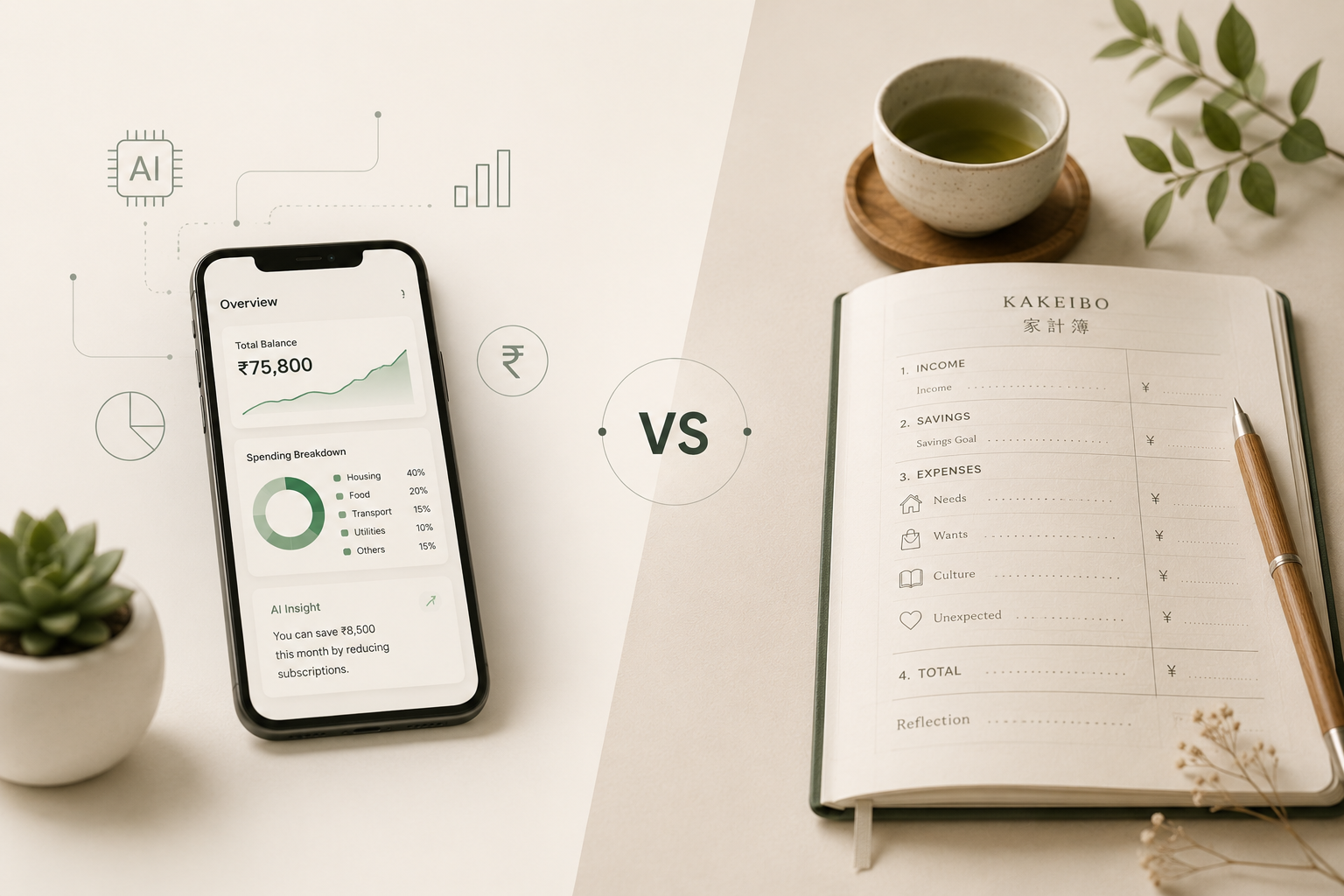
In today's era where everything is being created and generated by AI (Artificial Intelligence), we are too much dependent on it -- and somehow it is useful for us, and somehow it is not. AI is something that was created to make our work faster and with better efficiency, but when we just ended up depending on AI chatbots and autonomous AI features for everything, we do not know where we actually lost the old methods of management and discipline.
So this article is going to make you aware about what we should do with AI, and what we should do with authentic and original traditional methods of budgeting and managing our finances.
Autonomous AI Chatbots and the Efficiency They Provide
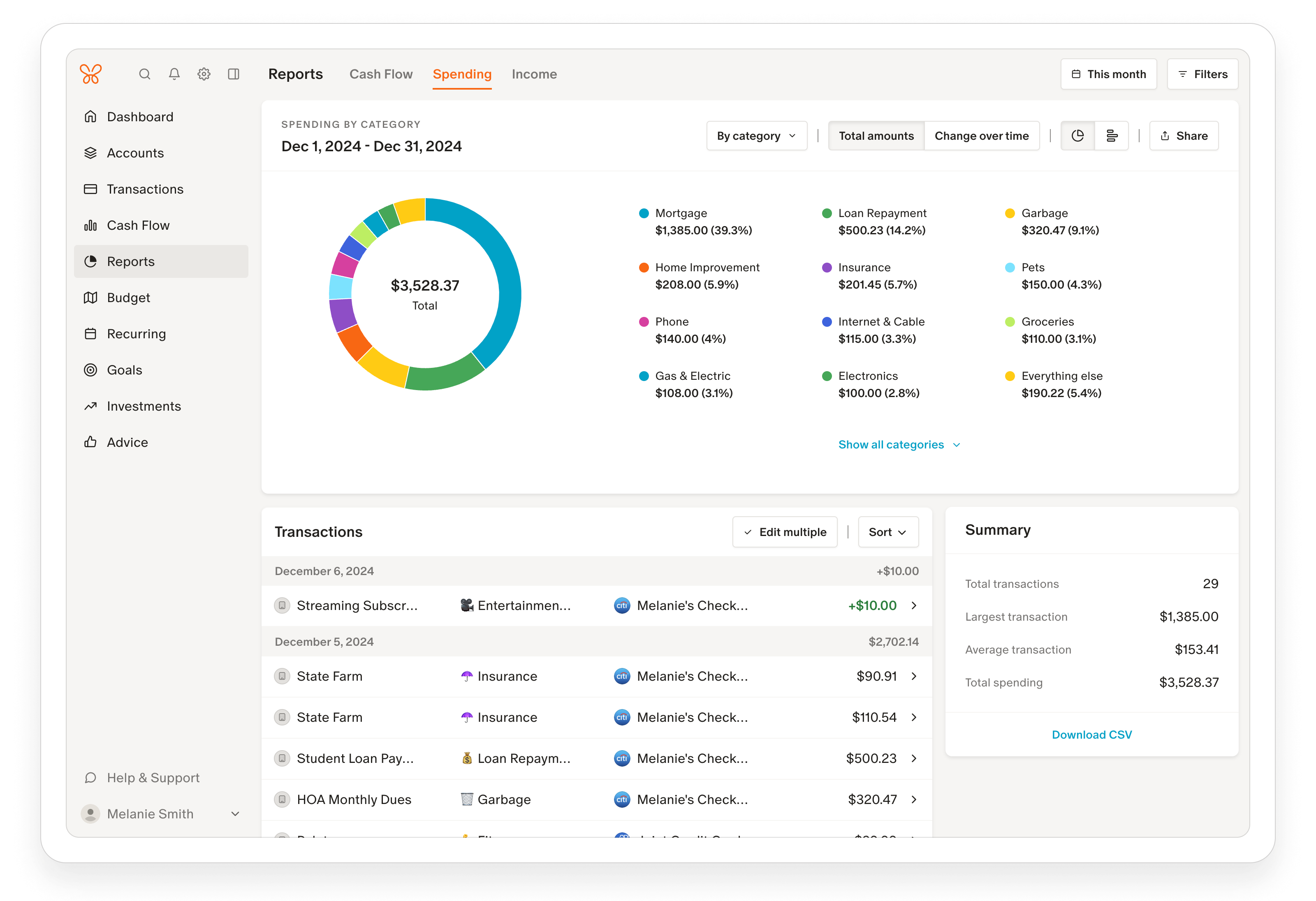
With AI, budgeting has become easier and more efficient to calculate the expenses of our day-to-day life, and also in our finances, in business and work as well. Autonomous AI finance tools are evolving beyond simple expense trackers into "agentic" systems that can analyze spending, forecast cash flow, automate savings, optimize subscriptions, and even make investment recommendations with minimal manual input.
These AI tools help you get financial advice while managing your finance and bank statements, making decisions on your behalf for your business or career. These AI tools also work upon what is trending in the market and help you choose from smart and successful advancements in your field to work upon your career.
The following are some agentic AI tools and AI tools which you can try to start your budgeting journey online:
| Tool | What It Does |
|---|---|
| YNAB (You Need A Budget) | Assign every dollar a purpose |
| Monarch Money | All accounts, one dashboard |
| Rocket Money | Budgets and kills unwanted subscriptions |
| Cleo | AI chatbot for spending awareness |
| Wealthfront | Automated investing and savings |
| Betterment | Robo-advisor for retirement and investing |
| Autonomous | AI finance automation for businesses |
| ChatGPT | AI assistant for budgeting and advice |
| Claude | AI for financial thinking and planning |
| Microsoft Copilot | AI for Excel and finance tasks |
| FinRobot | Open-source finance AI framework |
Cons of Using AI Tools for Budgeting
AI, as we know, is still Artificial Intelligence -- not a human-based mindset that can think like humans and make decisions after calculating endless possibilities in every scenario. In a recent study it was seen that major AI tools do provide finance management, but with heavier and lengthier prompts where each and every scenario is given, a vast difference of 65% accuracy was seen. This calculates to every 2nd out of 5th attempts where AI gets your demand wrong, which leaves an error in budgeting. If not in household or personal expenses, but in business, this can get you into heavy loss.
Advertisement
Giving prompts and keep checking each and every record will become an endless loop of getting a few records wrong and getting it changed -- which will become a tiresome chore of the day, taking more time and mental effort, and giving major headaches and migraines in the future.
The Traditional Budgeting Method: Kakeibo
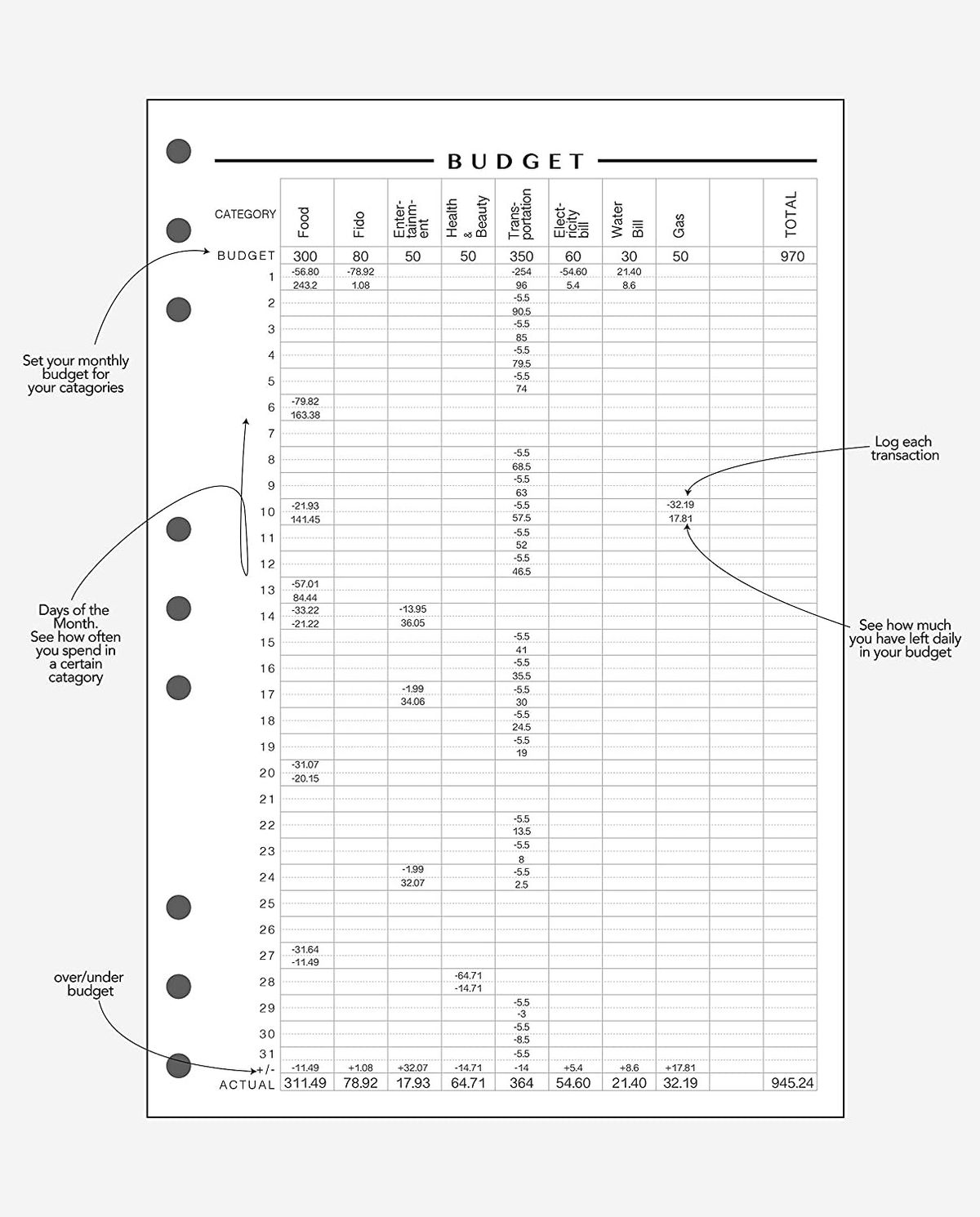
Kakeibo (sometimes spelled Kakebo) is a traditional Japanese method of budgeting and household money management.
The word comes from Japanese:
- Kake = household financial accounts
- Bo = notebook / book
Kakeibo was created in 1904 by Hani Motoko, Japan's first female journalist. She introduced it through a women's magazine to help households manage expenses more carefully during Japan's modernization period -- to encourage mindful spending, improve saving habits, reduce unnecessary purchases, and help families gain financial discipline.
Unlike modern finance apps, Kakeibo focused heavily on reflection and awareness, not just calculations. People traditionally used handwritten paper and notebooks, handwritten budgeting and journaling, and monthly planning sheets focusing on income, daily spending, saving goals and expenses. Kakeibo became famous around the 2010s when the simple lifestyle of Japanese people started to fascinate the world amid hectic westernism.
Kakeibo is a planner with four basic parts:
| Category | Examples |
|---|---|
| Needs | Rent, insurance, food, bills |
| Wants | Furniture, clothes, bedsheets, curtains |
| Culture | Education, courses, anything you pay to learn |
| Unexpected | Makeup, parlour, dinner out -- anything that fits none of the above |
At the end you tally the total spent and, by calculating, find out how much you saved.
Now it may sound like the written version of AI apps and tools -- but no. It is the magic of Kakeibo. It dictates that when you write and calculate yourself, your mind becomes aware of what you are doing and whether it is right or wrong to buy or spend on something. This eventually becomes a habit to think twice before spending or investing your money, which is the core principle of success in money management and saving.
Kakeibo Templates to Get Started
- IOOF Kakeibo PDF Template
- ANZ Kakeibo Method Template PDF
- A Cute Kawaii Kakeibo Planner Template PDF
Spend consciously and save intentionally.
Disclaimer: All the data provided above was sourced from internet resources and studies done upon budgeting systems. This should not be taken as a quote from our website or as financial advice.
Advertisement