

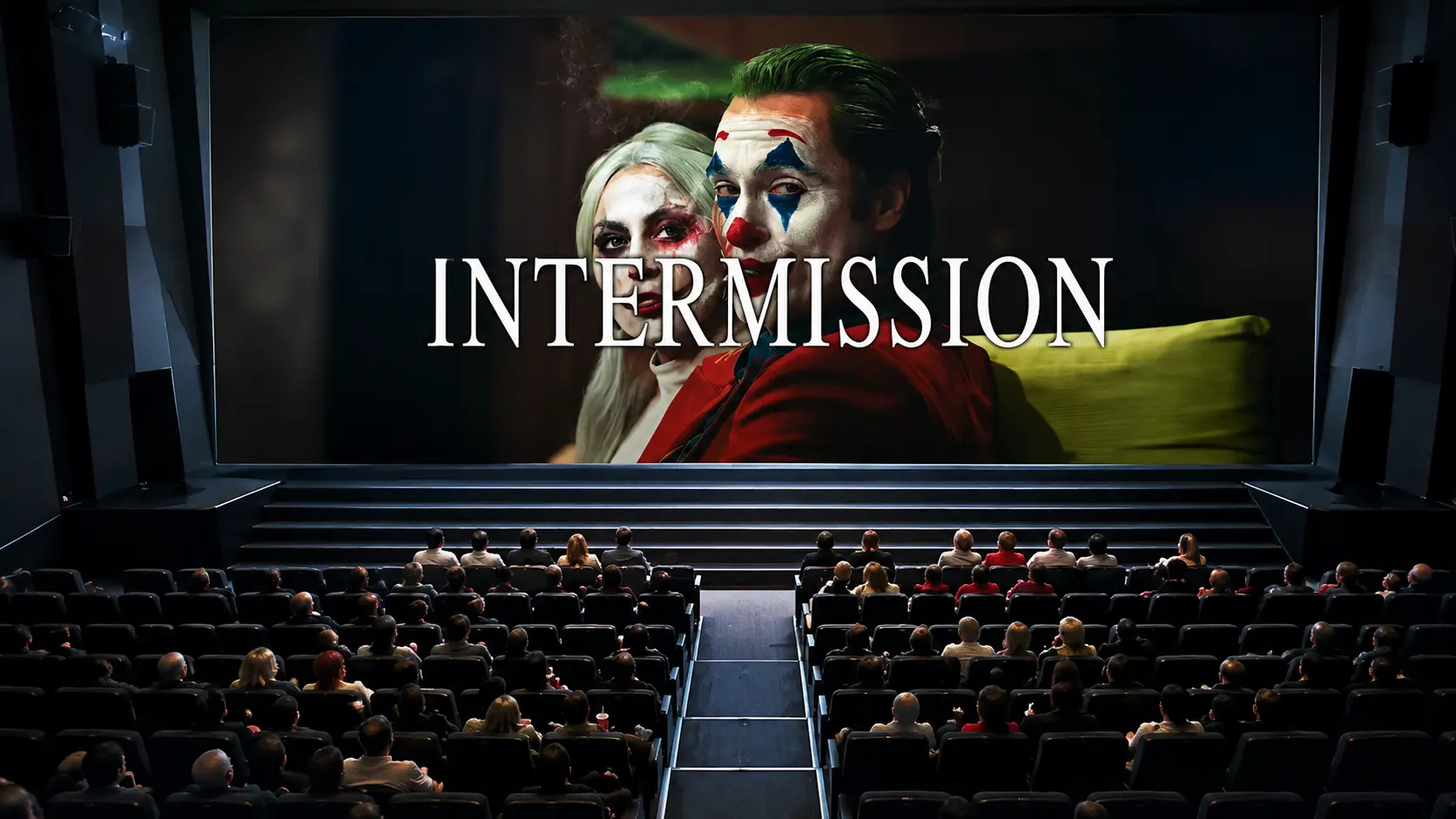
In today's fast-paced era, where entertainment is continuously streamed, optimized, and consumed in isolated hyper-efficiency, we are increasingly stripping away the spatial transitions that historically bounded collective art. The architectural space of the theater was never meant to function solely as a vessel for continuous immersion; instead, it relied profoundly on a structural separation. When we reduce the theatrical intermission or cinematic interval to a mere logistical necessity — a mechanical gap designed for relieving bladders or maximizing concession sales — we ignore a massive, unstudied sociological framework.
The interval is something that was structurally embedded to provide cognitive equilibrium and communal synchronicity. Yet, when we look at the evolution of Western cinema and streamable media, we see an obsession with continuous, uninterrupted absorption. We do not know where we actually lost the historical wisdom of pacing and structured gathering, but we feel its absence. This article aims to raise awareness about what we lose when we delete the pause and why the shared ritual of the interval deserves rigorous analytical redemption.
The Architecture of the Collective Pause and Structural Pacing
Historically, the interval was born out of technical limitations, specifically the mechanical need for projectionists to change heavy film reels or for stagehands to overhaul complex scenic backdrops. However, human culture did what it has always done with structural limitations: it elevated a technical necessity into a profound social art form. In theatrical traditions ranging from Shakespeare's Globe to nineteenth-century opera houses, the break halfway through a performance functioned as an intentional architectural bridge between the fictional reality on stage and the objective reality of the audience.
This space allows for what psychologists call collective cognitive processing. When an entire auditorium of hundreds or thousands of people experiences a narrative climax simultaneously, their emotional and physiological states are highly elevated. The sudden house lights do not break the spell; rather, they expand it. By stepping out of the darkness together, the audience ceases to be an aggregate of isolated observers and transforms into a dynamic community. They look at one another, read faces, share immediate micro-expressions, and collectively digest the artistic material. This is a shared societal ritual that remains almost completely unstudied by modern behavioral scientists, yet its absence is instantly felt as a form of cultural exhaustion.
"The pause does not destroy the illusion; it creates the community that validates it."
The Psychology of the Halfway Climax and Narrative Balance
From a storytelling perspective, writing for an interval requires a radically different structural blueprint than writing for continuous consumption. Master dramatists and screenwriters have historically relied on the interval as an active narrative engine. In classic structural writing, the "Interval Point" is designed to subvert expectations, provide a massive revelation, or introduce an agonizing cliffhanger that recalibrates the entire plot for the second half.
Consider the structural architecture of epic storytelling where the mid-point is not an arbitrary slice across the timeline but a calculated psychological peak. When a story is divided by an intentional pause, it honors the natural limits of human deep concentration. Modern psychology shows that sustained attention begins to degrade after approximately 70 to 90 minutes. Instead of forcing an audience into an endurance test — where their focus wanes and physical discomfort begins to distract from artistic appreciation — the interval acts as a psychological reset button. It divides the narrative arc into two distinct movements, allowing the brain to archive the first act and build active anticipation for the resolution.
Historical Data Comparison: Global Immersion vs. Structured Pacing
- Western Commercial Model: Focuses on unbroken narrative absorption. Intermissions were phased out of Hollywood cinema by the late 1970s following digital and multi-reel innovations to increase daily screenings per screen.
- Eastern Theatrical Model (e.g., Indian Cinema): Retains the interval as a mandatory cultural and structural anchor. Films are explicitly written with an "Intermission Card" as a narrative climax, maintaining a structure-dependent viewing system.
- Audience Abandonment Metrics: Modern streaming data indicates that over 55% of viewers pause long-form content (over 150 minutes) during home-viewing multiple times, transforming an immersive experience into a chaotic, fragmented timeline.
The Economics of Concessions versus the Sanctity of the Crowd
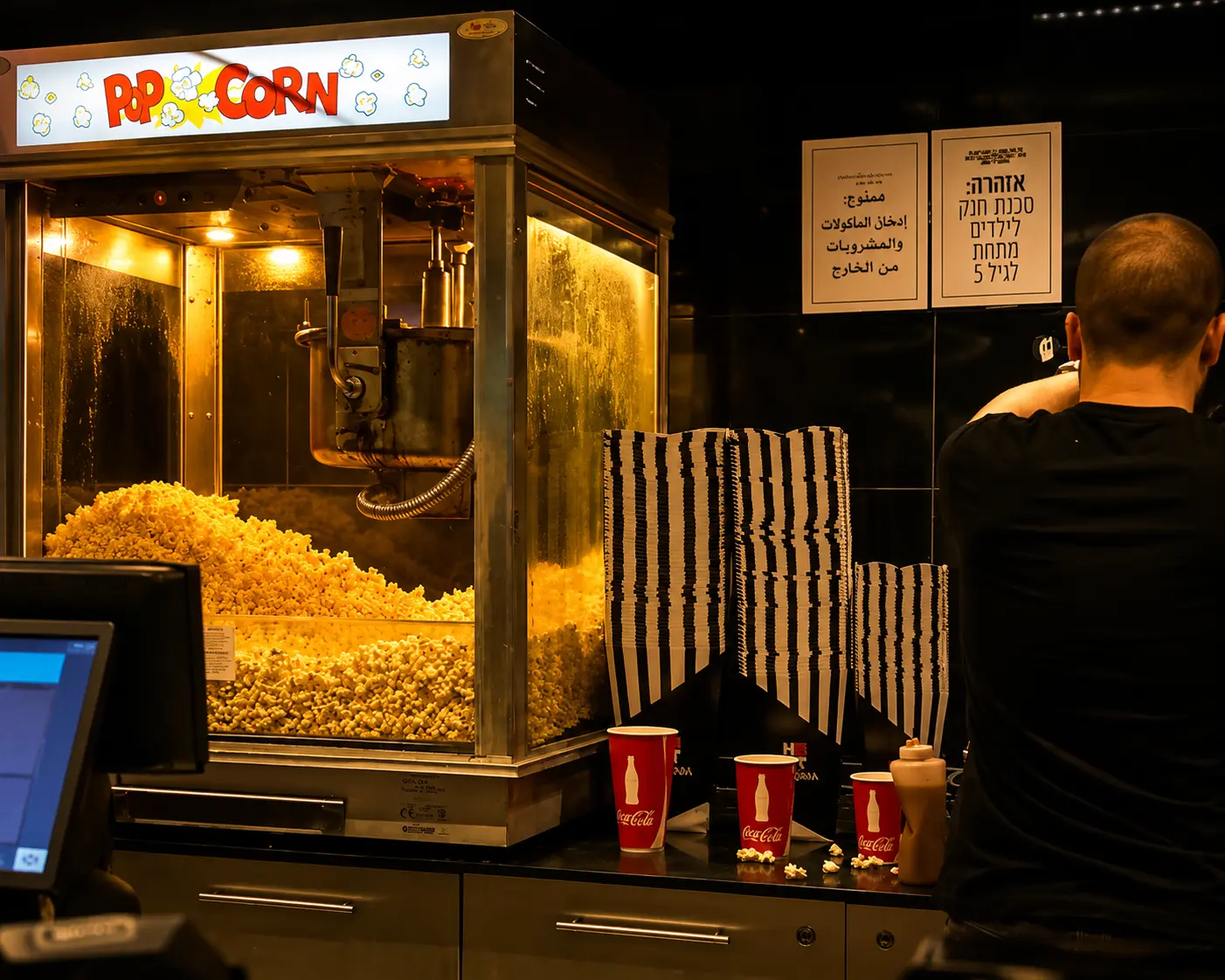
While cultural purists defend the interval for its artistic pacing, theater operators and exhibition chains view it through a lens of raw economic survival. In traditional theatrical distribution, a massive percentage of ticket sales flows directly back to studios and production houses. Consequently, the actual operational profitability of a commercial theater relies heavily on food, beverage, and merchandise sales during that brief 15-to-20-minute window.
This creates a fascinating, tense dichotomy. When theaters force an unnatural interval onto a foreign film that was explicitly shot and paced for continuous immersion, it breaks the artistic rhythm, turning what should be a narrative pause into a jarring disruption. Yet, when a performance is genuinely built around its intermission, the rush to the foyer becomes a beautiful, synchronized choreography. It is a space where social hierarchies soften — where strangers stand in line balancing small tubs of ice cream, glass goblets, or program booklets, exchanging spontaneous reviews and theories. The financial transaction is merely the surface layer; underneath lies a vibrant, bustling forum of public discourse.
When we look at the rise of virtual reality, streaming algorithms, and solitary viewing platforms, we notice that the shared interval is completely missing. By automating our entertainment consumption and eliminating the structured pause, we save time but lose context. The magic of the interval dictates that when you step away from the art and discuss it with your peers midway, your mind becomes actively aware of the themes, turning passive observation into an active intellectual habit. This is the core principle of why live, shared communal events create far deeper psychological memories than isolated screen binging.
"To sit together in the dark is powerful, but to stand together in the light halfway through is where the collective consciousness takes root."
Read Further
- Interactions Among Collective Spectators Facilitate Eyeblink Synchronization — PLOS ONE / PMC, University of Tokyo, 2015
- Inter-subject Correlation of Audience Facial Expressions Predicts Audience Engagement During Theatrical Performances — PMC, 2024
- Theatrical Performance as Leisure Experience: Its Role in the Development of the Self — Frontiers in Psychology, 2020
Disclaimer: All data, observations, and structural comparisons provided in this article were drawn from historical media studies, international theatrical exhibition records, and psychological studies on human attention spans and collective audience behavior. This synthesis is presented as an analytical essay and should be utilized for cultural, educational, and research-focused reflection.