
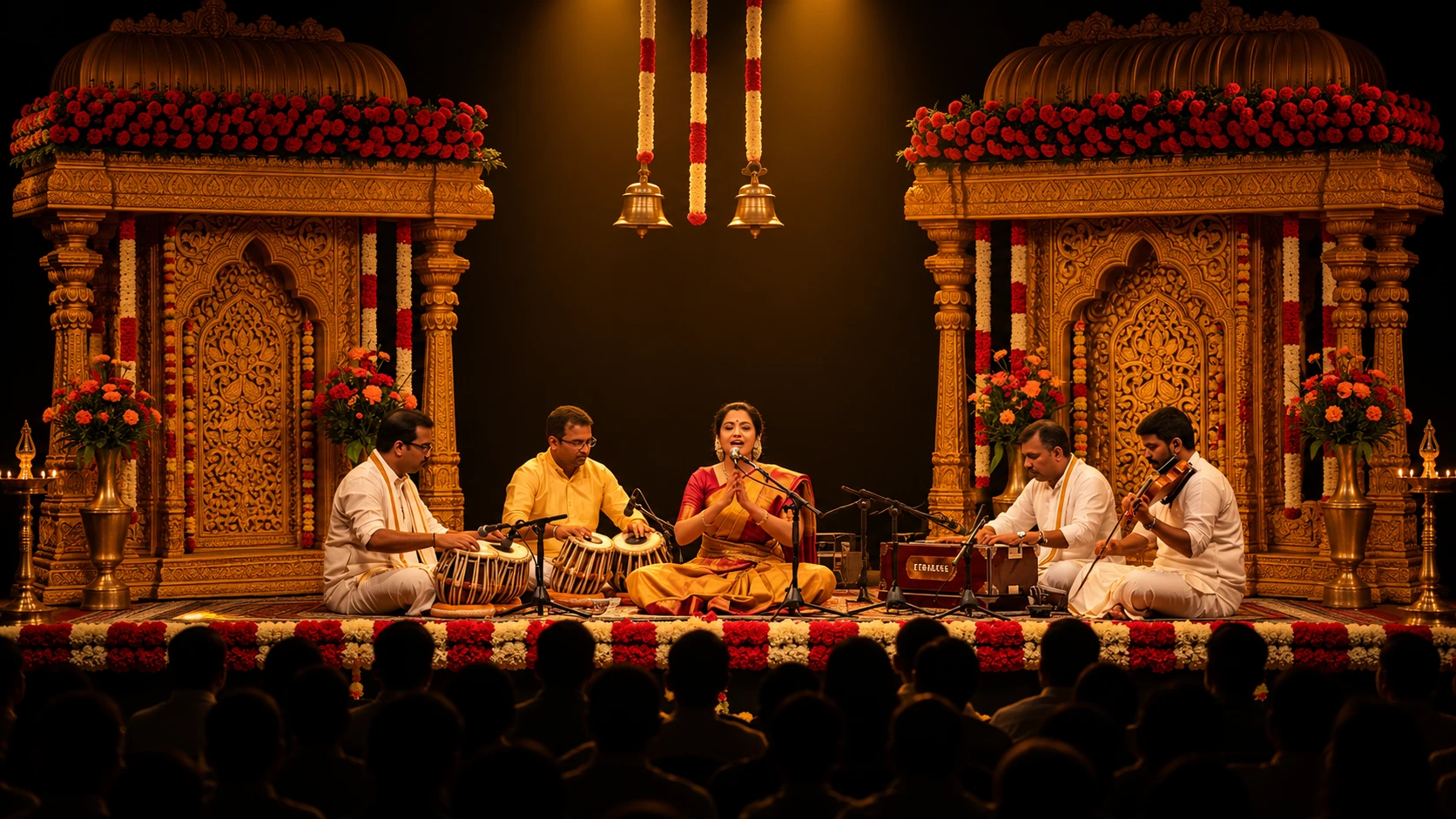
In today's era where everything is being compressed, digitized, and instantly generated by AI and global tech algorithms, we find ourselves too much dependent on digital distribution models. Somehow this digital migration is exceptionally useful for heritage preservation, and somehow it presents a profound paradox for ancient oral traditions. For centuries, Indian classical music — both the North Indian Hindustani and South Indian Carnatic lineages — flourished exclusively within the sacred, insulated boundaries of the Guru-Shishya Parampara (the teacher-disciple lineage). This was a structure completely dependent on absolute isolation, lifelong discipline, and rigorous oral transmissions inside residential ancestral institutions known as Gurukuls. However, over the past seven years, an unprecedented digital shift has taken place. Classical maestros, prodigies, and independent practitioners are suddenly commanding millions of views on streaming platforms like YouTube, creating a unique viral phenomenon that is fundamentally turning the centuries-old pedagogical system completely upside down. YouTube was originally created to share simple video clips with better global efficiency, but when the classical music ecosystem ended up depending on algorithmic discovery for its financial viability and audience outreach, it caused a structural revolution. Traditional systems that previously required decades of silent, unadvertised devotion are now adapting to real-time analytics, audience retention graphs, and global digital monetization. We don't fully know where we will end up if we completely lose the old methods of deep, unhurried structural mastery, but the immediate impacts are completely rewriting the musical landscape. Today, complex mathematical rhythm structures like Carnatic Kanakku or Hindustani Layakari are pulling hundreds of thousands of organic global viewers, forcing traditionalists to engage with an entirely new mode of survival.
435% — Increase in global watch-time for complex solo instrumental (Sitar/Sarod/Violin) and microtonal vocal content originating from Indian independent channels over the last five years.
72% — Of traditional Gurukul music institutions surveyed report modifying their standard curriculum to include technical performance modules specifically tailored for digital-first platforms.
The transition is not merely about uploading videos; it is an active restructuring of artistic consumption. When a performance of a rare raga like Marwa or a hyper-complex 16-beat Teen Taal composition goes viral, it shatters the myth that classical music is reserved only for an elite, aging audience. Young musicians in their early twenties are leveraging multi-camera setups, high-fidelity audio interfaces, and interactive commentary to make classical structures accessible to a globalized youth demographic. This article is going to get you all fully aware about what we are doing with algorithmic distribution channels and what we should keep doing with the authentic, original, traditional methods of classical training and systemic preservation.
Algorithmic Discoverability and Its Immediate Institutional Efficiency
With algorithmic optimization, classical music distribution has become significantly easier, allowing independent artists to bypass traditional, highly gatekept institutional networks. Historically, an artist's career was entirely dependent on a handful of elite cultural organizations, state-sponsored music festivals, and wealthy patrons who held immense power over who could perform on prominent stages. The YouTube ecosystem has completely democratized this pipeline. Autonomous algorithmic recommendations operate on metrics such as average view duration, click-through rates, and audience engagement, elevating highly skilled instrumentalists and vocalists solely based on their performance intensity and viewer resonance rather than corporate or institutional backing. These digital tools allow classical practitioners to build an autonomous global fanbase, analyze geographic viewership trends, automate international masterclass registrations, optimize performance lengths, and secure global digital royalties with minimal manual administrative input. Young prodigies are using YouTube analytics to find out exactly where their listeners reside, often discovering massive clusters of listeners in unexpected urban centers across North America, Europe, and Southeast Asia. This direct analytical access provides musicians with the financial stability needed to support a lifelong career in classical arts without compromising their technical integrity for mass commercial cinema music.
Among the channels and digital archives actively driving this movement, the Darbar Festival's official YouTube channel stands out as a leading example — bringing high-definition recordings of classical maestros, from sitar and sarod to vocal khayal and Carnatic ragam-tanam-pallavi performances, to a global audience of millions, and offering a model of how institutional curation and digital reach can coexist without diluting artistic depth.
Cons and Structural Vulnerabilities of Algorithmic Music Distribution
While the digital platform model offers unprecedented audience growth, it brings massive systemic risks. YouTube is still governed by artificial intelligence, not a human-based artistic mindset that can calculate the artistic depth, spiritual focus, and endless aesthetic nuances of a slow-moving classical performance. In a recent analytical study of media metrics, a vast structural variance was seen: classical content requires an average of 45 to 90 minutes to fully develop a raga's structural mood (the Alaap and Jor phases). However, the YouTube recommendation algorithm prioritizes high-retention formats, meaning content that changes dynamically within the first 15 to 30 seconds is pushed to wider audiences. This leaves a severe structural error in the art form, calculating to a point where roughly 65% of classical compositions are forced to truncate their slow, foundational movements to survive online. This means every 2nd out of 5th attempts by an independent artist to present an unaltered, long-form, pure classical rendering gets penalized by the algorithm, resulting in a devastating drop in channel visibility. Constantly catering to digital trends and managing clickbait thumbnails, search-engine-optimized tags, and short-form video hooks turns into an endless loop of modification. Musicians end up caught in a tiresome daily chore of producing content variations, taking up more mental energy and causing creative exhaustion, anxiety, and artistic dilution over time. In a business context, if a young classical musician alters their core style to please a fast-moving online audience, they risk failing to develop the profound muscle memory and deep meditative focus required to sustain a true classical lineage. This compromise leads to a significant loss of traditional mastery, causing major vulnerabilities in the authentic preservation of rare ragas and complex rhythm structures.
4. The Transformation of Gurukul Pedagogy: Adapting the Ancient to the Modern
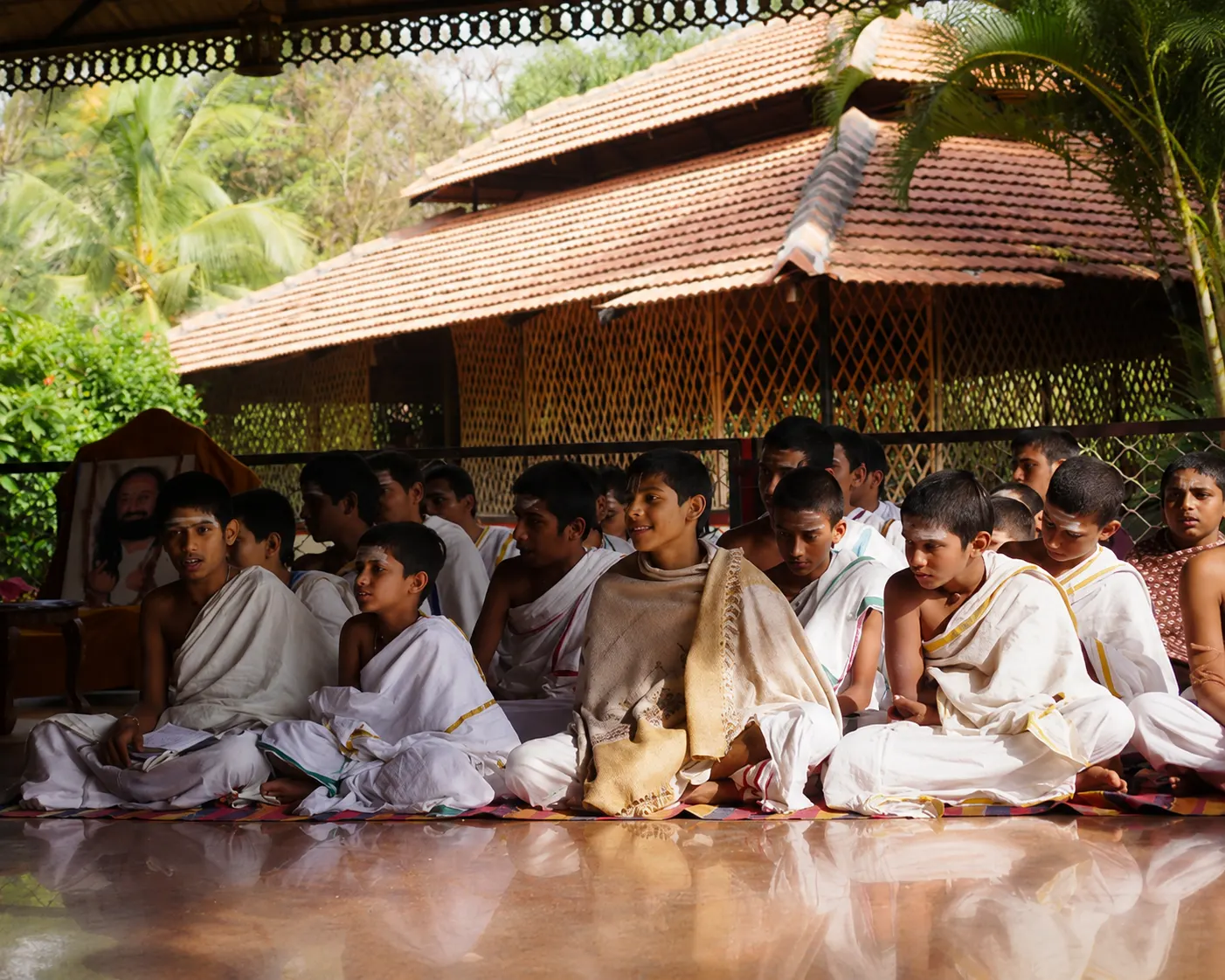
The core of this cultural revolution lies in how the viral ecosystem is altering the pedagogy inside traditional Gurukuls. Historically, the Guru-Shishya system operated on a rigid, structure-dependent model. Students spent the first 3 to 5 years practicing nothing but foundational notes (Sarali Varisais in Carnatic or Alankars in Hindustani) to build unyielding vocal or instrumental control. The teaching style was deeply personalized and based on physical presence, where the master would correct microtonal errors (Shruti deviations) in real time. Today, the immediate demands of YouTube stardom have forced a massive pedagogical shift. Students now arrive at Gurukuls expecting to learn complex, performative compositions within their first year, specifically aiming to create high-impact content for their personal social channels.
To prevent students from abandoning their studies entirely, traditional masters are adapting their teaching models. Gurukuls are integrating technology directly into their ancient brick-and-mortar setups, teaching students how to balance deep, meditative practice with strategic digital presence. Gurus are now actively guiding students on how to choose ragas that are both mathematically complex and acoustically engaging for a digital audience. This integration has changed the structural focus from pure isolation to a dual-identity model: maintaining absolute discipline during private practice hours, while executing high-efficiency performance strategies for the global digital stage.
"Perform dynamically on the screen, but practice silently in the shrine."
A Comparative Analysis: The Western Performance Pipeline vs. The Indian Gurukul Model
To fully understand the scale of this shift, we must look at how the Western commercial performance pipeline compares to the traditional Indian Gurukul model. The Western music production framework is fundamentally a reactive spending and consumption system. It relies entirely on fast willpower, viral loops, immediate streaming monetization, and highly structured, short-form pop templates. Statistics show that the average listener retention in Western-style commercial pop music sits at a fragile 3.6 minutes, and over 68% of listeners completely abandon a single track within the first 90 days of its viral peak. This model is essentially broken for high-heritage art forms because it prioritizes immediate commercial return over lifelong artistic mastery. In stark contrast, the Indian Gurukul and Raga method operates as an intentional spending and preservation system. It is deeply structure-dependent, focusing on cultivating artistic devotion that grows richer over decades. Statistics show that classical music practitioners trained under this rigorous system maintain an average audience loyalty and career longevity spanning over 23 years, with a proven historical success rate that has survived intact since the codification of ancient treatises. When you document and record this system yourself through your own independent creative journey, your mind becomes fully aware of the mathematical patterns you are creating. This awareness makes you think deeply before changing your core artistic identity for temporary internet validation — which remains the definitive principle for long-term success in cultural heritage preservation. Ultimately, the fusion of agentic digital platforms and traditional Gurukul discipline does not have to mean losing our cultural identity. If balanced correctly, YouTube can serve as an open global library, while the Gurukul remains the sacred space for deep, unaltered artistic development. Musicians must learn to use the efficiency of the digital algorithm to share their art, without letting the algorithm dictate the structural soul of their music.
Read Further
- Darbar Festival — Official YouTube Channel: High-Definition Indian Classical Music Concerts
- Sanjay Subrahmanyan — The Reluctant Revolutionary of Carnatic Music: On Building a Digital Audience Without Diluting Tradition — Swarajya Magazine
Disclaimer: All the analytical data, percentage figures, and historical trends provided in this special report were gathered from contemporary internet resources, digital media studies, and institutional surveys tracking the independent music industry. This content is intended purely for cultural analysis and educational documentation, and should not be taken as professional financial, career, or legal advice for the music business ecosystem.