

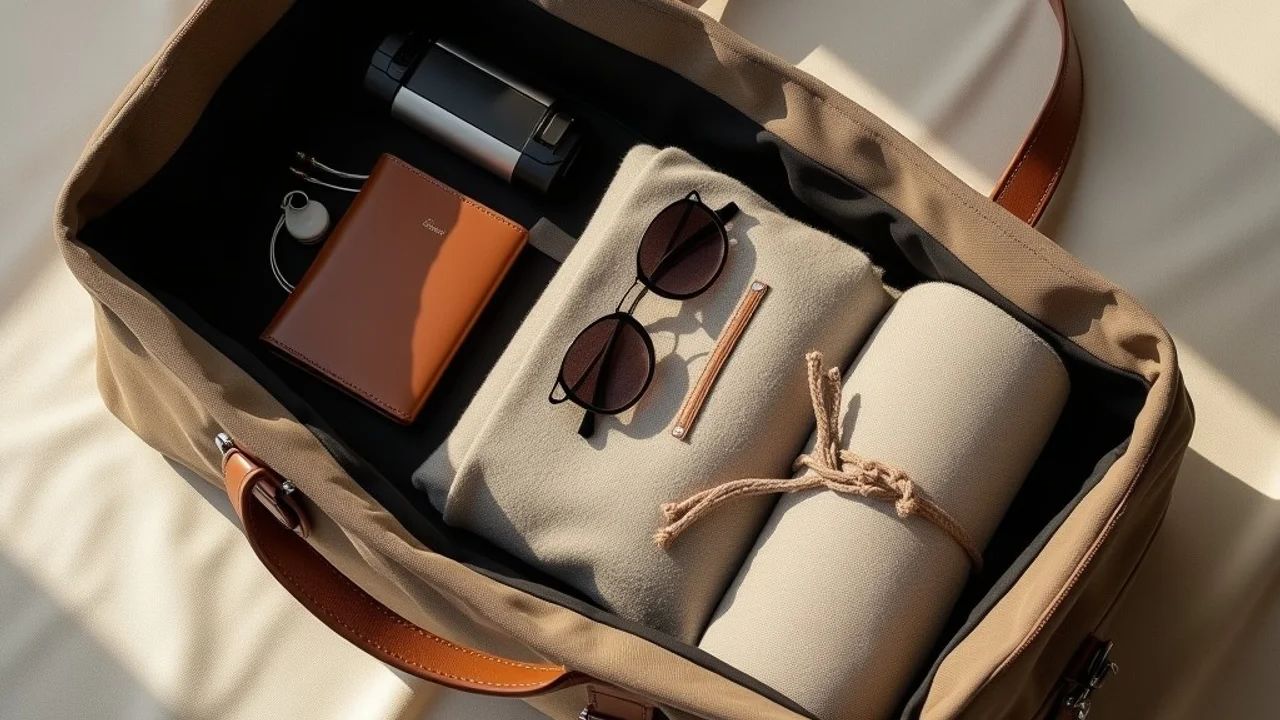
Travel is widely celebrated as an empowering journey to broaden horizons and escape mundane routine. It is envisioned as a time to rejuvenate both mind and body. Yet anyone who has endured a grueling cross-continental flight knows the physiological tax: swollen ankles, severely dehydrated skin, systemic digestive disruptions, and exhausting jet lag.
Compounding this physical strain is the performance culture of modern packing. Social feeds overflow with imagery of immaculately color-coded luggage cubes, designer silk eye masks, jade rollers, and artisanal water flasks. Packing has evolved into an aspirational aesthetic sport where travelers compete to display fashionable luxuries rather than preparing for logistical and biological realities. The pressure to project an immaculate social-media aesthetic turns packing into an overwhelming, stressful endeavor rather than a straightforward, protective process.
The biological reality of travel is acute physiological disruption. Crossing time zones dysregulates our endogenous circadian pacemaker in the suprachiasmatic nucleus. Pressurized aircraft cabins with single-digit relative humidity accelerate cutaneous barrier evaporation. Unfamiliar hotel beds trigger the 'first-night effect'—an evolutionary state of nocturnal hyper-vigilance where one cerebral hemisphere remains half-awake to monitor environmental threats. To travel well is not to amass more lifestyle accessories; it is to systematically map your personal stress points and pack defensively against them.
1. Identify Likely Stress Points: Sleep, Navigation, Climate, Food, Privacy, and Communication
Before packing a single item, perform a rigorous vulnerability audit. Every traveler has unique physiological tripwires. By evaluating your itinerary across six core stress vectors, you transform packing from blind guessing into strategic risk management:
The Circadian and Sleep Stress Vector
Rapid time-zone transitions disrupt the architecture of restorative sleep, curtailing initial REM cycles and fragmenting slow-wave deep sleep. Establishing rapid environmental control through light and noise deprivation provides the brain with reliable safety signals, allowing the autonomic nervous system to downregulate regardless of geography.
Navigation and Cognitive Load
Deciphering unfamiliar transit hubs, deciphering foreign transit systems, and managing tight layovers generate acute cortisol spikes. Cognitive load management begins inside your luggage: organizing travel documents, transit passes, and local currency in an accessible, low-friction configuration prevents the frantic bag-rummaging that triggers travel anxiety.
Climate and Barometric Adaptation
Abrupt shifts between humid tropical air and arid continental climates—or from air-conditioned terminals to sun-baked streets—shock skin barrier integrity and the upper respiratory tract. Your packing must prioritize adaptive layering and microclimate regulation over heavy, restrictive fabrics.
Gastronomic and Digestive Stability
Travel gastrointestinal distress rarely stems solely from pathogen exposure; it frequently results from circadian meal desynchronization, dehydration, disrupted peristalsis, and hidden dietary irritants. Packing targeted digestive support ensures culinary exploration does not cause debilitating physical fatigue.
Privacy and Sensory Sanctuary
Continuous immersion in crowded terminals, shared transit vehicles, and busy hotel lobbies rapidly drains psychological bandwidth, especially for introverted travelers. Designing a portable sensory sanctuary within your living space is vital for emotional regulation and evening recovery.
Key Rule: Map your itinerary hour by hour against your known biological vulnerabilities. If you historically experience acute insomnia on the first night in a new environment, prioritize sleep architecture tools over formal evening wear.
2. Pack a Small Comfort Kit Without Turning It Into a Product Haul
The allure of consumer wellness marketing suggests that packing an arsenal of miniature balms, nasal inhalers, adaptogen sachets, and specialized massage spheres will magically neutralize travel fatigue. In practice, an overstuffed comfort kit creates physical clutter and cognitive fatigue. A rational comfort kit is minimalist, multi-functional, and surgically targeted at sensory distress.
Transit environments are sensory assault courses characterized by synthetic jet fuel fumes, harsh industrial disinfectants, and dense crowds. A single high-grade essential oil roll-on (such as lavender or peppermint) applied to pulse points provides an immediate sensory anchor through olfactory grounding.
Similarly, a small tube of unfragranced, pharmaceutical-grade barrier ointment serves four functions: sealing wind-chapped lips, protecting dry cuticles, preventing inner-thigh friction chafing during long walking days, and soothing minor skin abrasions.
Apply the principle of redundancy elimination: if an item serves only a single cosmetic function and is readily available at your destination's local pharmacy, leave it home. Pack only essentials required for in-transit comfort when retail access is impossible.
3. Skincare and Sun-Care Considerations for Climate Changes
The cutaneous barrier is your body's front line against environmental stressors, yet it faces extreme conditions during transit. Airplane cabins operate at 10% to 20% relative humidity—drier than most global desert regions—causing transepidermal water loss (TEWL) to spike rapidly. Simultaneously, high-altitude flight paths expose passengers to elevated UVA radiation penetrating cabin windows.
In-Flight Barrier Protection
In-flight skincare should not resemble a ten-step spa ritual in a cramped lavatory. Focus on simple occlusive protection. Immediately after boarding, apply a rich lipid cream containing ceramides or a few drops of plant-derived squalane oil to create a protective barrier against dry cabin air. Avoid heavy cosmetic foundations that clog pores under atmospheric pressure changes, and refrain from using sheet masks in-flight, which can paradoxically pull moisture from skin in ultra-dry air.
Destination-Adaptive Sun Care
Sun protection must dynamically adjust to destination latitude, altitude, and reflective surfaces. A lightweight chemical sunscreen suitable for overcast urban walks is inadequate for high-altitude alpine trails or equatorial coastlines where snow and water reflect up to 80% of ambient solar radiation. Pack a water-resistant, mineral-based SPF 50 stick for mess-free reapplication on high-exposure zones, paired with a wide-brimmed UPF-rated hat.
Dermatological Insight: Transepidermal water loss increases significantly during a 6-hour flight due to sub-20% cabin humidity. Occlusive barrier moisturization is non-negotiable.
4. Sleep-Support Items That Do Not Make Medical Promises
Sleeping soundly in unfamiliar accommodation is fundamentally challenging. Sleep researchers have long documented the 'night-watch effect'—an evolutionary survival mechanism where the left cerebral hemisphere maintains low-level vigilance during the first night in an unfamiliar territory, resulting in fragmented stage 3 slow-wave sleep.
Advertisement
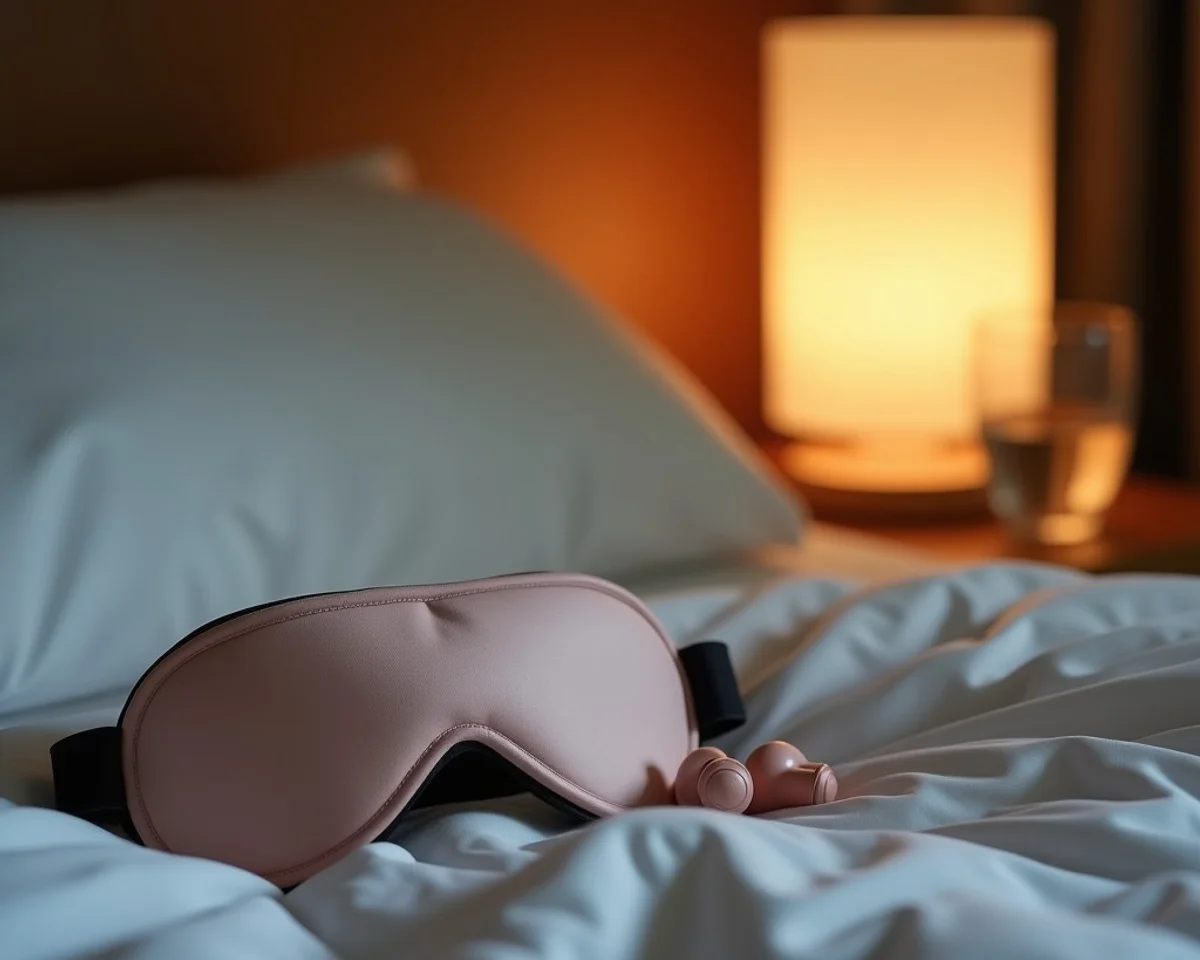
Counteracting this neurological alertness requires sensory deprivation and contextual conditioning rather than unverified medical claims:
- Contoured 3D Sleep Masks: Standard flat eye masks apply uncomfortable pressure to eyelids, inhibiting rapid eye movement and causing ocular irritation. Molded 3D eye masks feature recessed eye cavities that allow natural blinking while creating a complete blackout seal against LED indicators and ambient morning light.
- High-Attenuation Earplugs: Ambient hotel sounds—corridor foot traffic, elevator chimes, and plumbing hums—trigger micro-arousals that disrupt deep sleep architecture. High-fidelity silicone or soft polyurethane earplugs attenuate disruptive decibels evenly across frequencies without muffling morning alarm tones.
- Olfactory Anchors: Familiar olfactory cues soothe the nervous system. Packing a small sachet lightly scented with your home linen spray bridges the psychological disorientation of unfamiliar accommodations, signaling safety to the limbic system.
5. Movement and Clothing Options for the Actual Itinerary
The most common luggage mistake is packing an 'aspirational wardrobe'—garments designed for an idealized holiday persona rather than the physical reality of walking 15,000 daily steps, handling transit transfers, and enduring variable weather.
Fabric Science and Thermal Regulation
Prioritize technical performance fabrics over static aesthetic materials:
- Merino Wool: The premier travel textile. Merino naturally regulates body temperature in both cool and warm climates, wicks moisture efficiently, and resists odor accumulation, enabling multi-day wear without laundering.
- High-Grade Linen & Modal: Ideal for high-humidity destinations. These fibers breathe freely and dry rapidly after unexpected rain showers or sink-washing.
- Avoid: Heavy, non-breathable 100% synthetics that trap sweat and induce friction chafing, as well as delicate fabrics that demand specialized dry cleaning.
Footwear as Foundation
Footwear is the single most important physical wellness item in your luggage. A single friction blister can paralyze an entire sightseeing itinerary. Travel exclusively in shoes that have been thoroughly broken in for at least three weeks. Pack one primary walking shoe with robust arch support and torsional stability, one packable secondary pair for evenings, and waterproof traction soles if your trip involves unpredictable trails.
6. Documents, Emergency Contacts, Accessibility Needs, and Medication Planning
True wellness travel is anchored in logistical security and medical preparedness. The anxiety generated by misplaced passports or forgotten prescription medications triggers cortisol spikes that ruin vacations faster than any weather delay.
Maintain dual redundancies for all critical documents:
- Physical Redundancy: Laminated photocopies of passports, visas, insurance policies, and prescription lists stored separately from your wallet.
- Encrypted Digital Redundancy: High-resolution scans stored in an offline-accessible digital vault on your smartphone.
Medication and Supplement Management
Never pack daily prescription medications in checked luggage; always keep them in your personal carry-on item. Retain medications in original pharmacy containers with visible prescription labels, accompanied by a brief doctor's note for international customs clearance. Prepare a compact medical contingency pouch containing oral rehydration salts, antihistamines, broad-spectrum anti-diarrheal medication, and basic pain relievers tailored to your medical history.
7. A Destination-Neutral Checklist for Short, Medium, and Long Trips
To eliminate packing anxiety, use this destination-neutral checklist structured by journey duration:
Travel System Architecture by Trip Length
| Trip Duration | Typical Scope | Wardrobe Strategy | Core Wellness & Medical Defense |
|---|---|---|---|
| Short Trips (1–3 Days) | Weekend getaways & regional city trips | Ultra-light carry-on; versatile merino layers | 3D sleep mask, earplugs, essential prescription meds, compact charger |
| Medium Trips (4–9 Days) | One-week vacations & business tours | 3-color cohesive capsule wardrobe; sink-washable undergarments | Occlusive barrier cream, mineral SPF stick, complete sleep kit, first-aid pouch |
| Long Trips (10+ Days) | Extended travel & international expeditions | Compression packing cubes; planned mid-trip laundry rotation | Double medication buffer, noise-canceling headphones, water filter bottle |
The Essential Packing Modules
Short Trips (1–3 Days)
- 1 Versatile technical travel layer (breathable merino cardigan or lightweight windbreaker)
- 2 Pairs of merino wool socks (natural odor suppression)
- 3 Sets of breathable undergarments (including transit extra)
- TSA-compliant toiletries in clear silicone squeeze pods
- Contoured 3D sleep mask and soft earplugs
- Essential prescription medications plus basic pain relievers
- Universal travel adapter and high-output charging block
Medium Trips (4–9 Days)
- Cohesive capsule wardrobe (mix-and-match separates in a neutral palette)
- 1 Pair of thoroughly broken-in walking shoes (worn in transit) + 1 packable evening pair
- Travel detergent sheets for effortless sink laundering
- Rich barrier repair cream and water-resistant mineral SPF stick
- Comprehensive sleep kit (3D mask, earplugs, olfactory scent anchor)
- Portable first-aid kit containing oral electrolytes and digestive support
- Physical paper copies and encrypted digital scans of all travel documentation
Long Trips (10+ Days)
- Durable hard-shell luggage organized with compression packing cubes
- Structured clothing rotation calibrated for scheduled weekly laundry
- Specialized environmental gear (thermal base layers for alpine climates or UPF insect-shield clothing for tropical rainforests)
- 100% medication reserve buffer (double your anticipated prescription volume)
- Over-ear active noise-canceling headphones for long transit legs
- Self-filtering water bottle if visiting areas with variable municipal water infrastructure
By shifting your packing strategy from aesthetic performance to physiological defense, you reclaim travel as an authentically restorative experience. Pack for your stress points, honor your body's physical limits, and travel with ease.
Disclaimer: All the information above was obtained from public internet resources and studies. Please do not take this as financial, professional, medical, or legal advice; it should not be considered as such.
Advertisement